Park Haus
Certification: Passivhaus EnerPhit, certification pending - see Passivhaus Trust Case Study here
Contractor: Myzsa Group
Construction System: Wood fibre internal wall insulation, mineral wool external wall insulation, i-joist timber frame extension with recycled newspaper insulation.
Space Heating Demand (modelled): 25kWh/m2.a
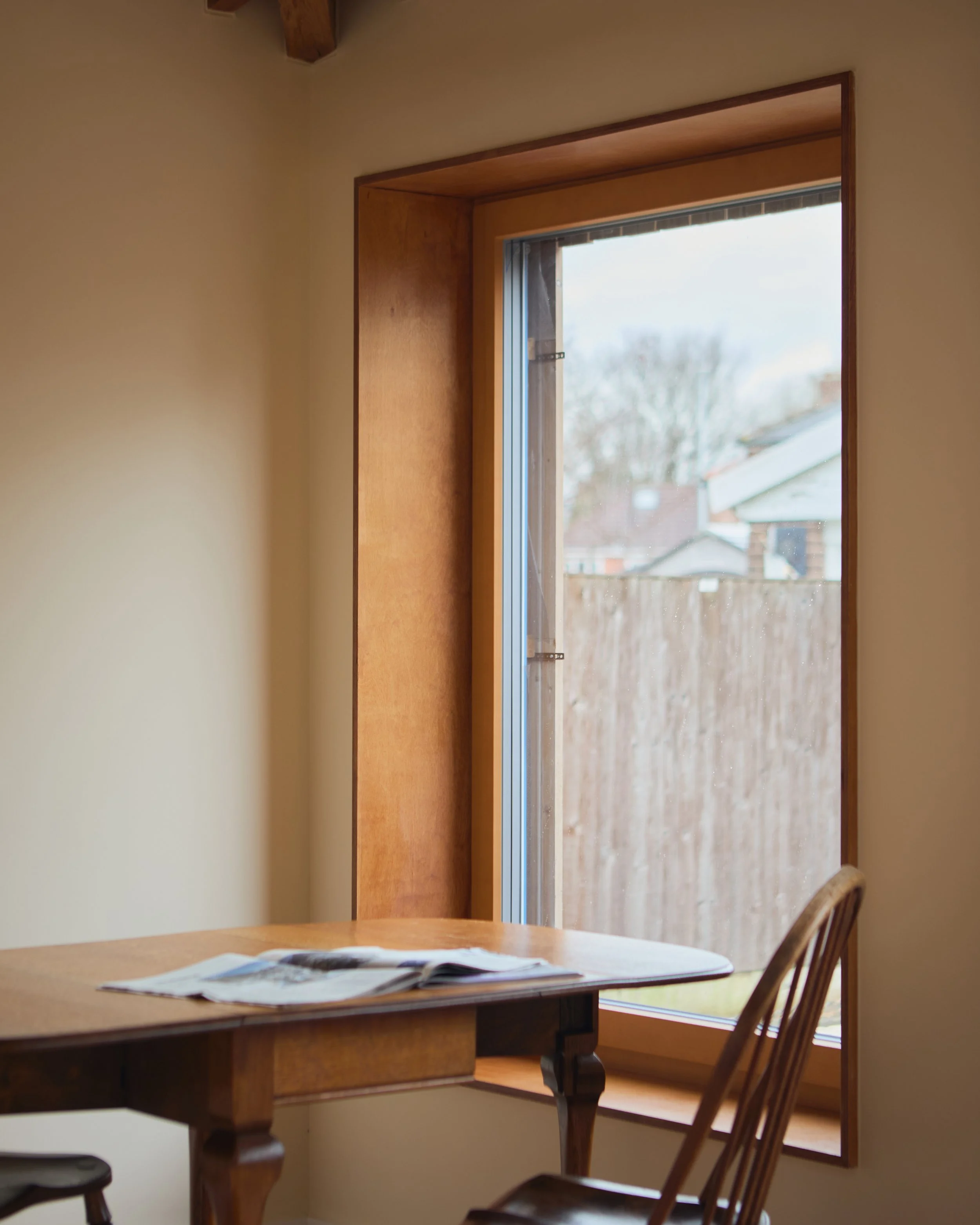
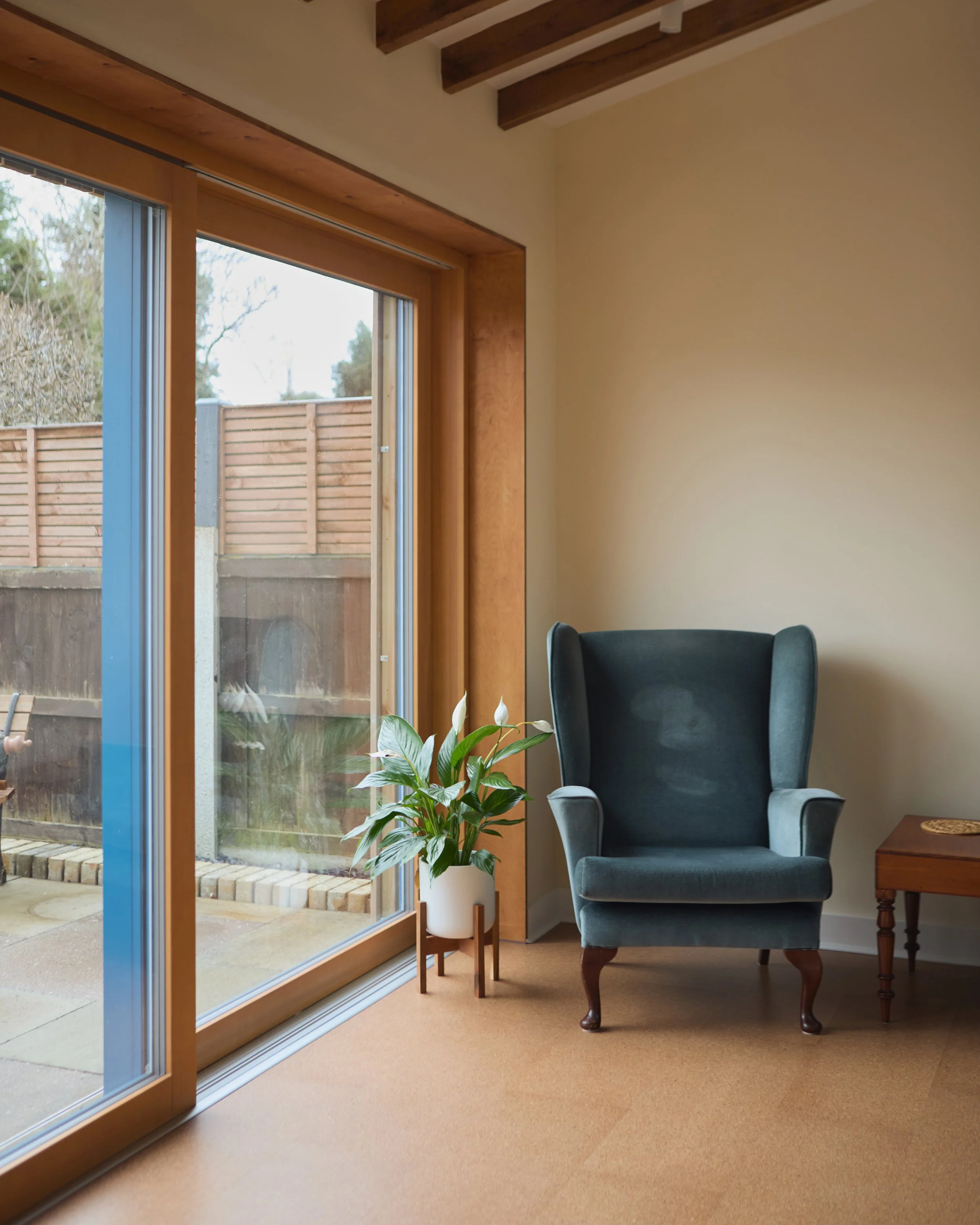
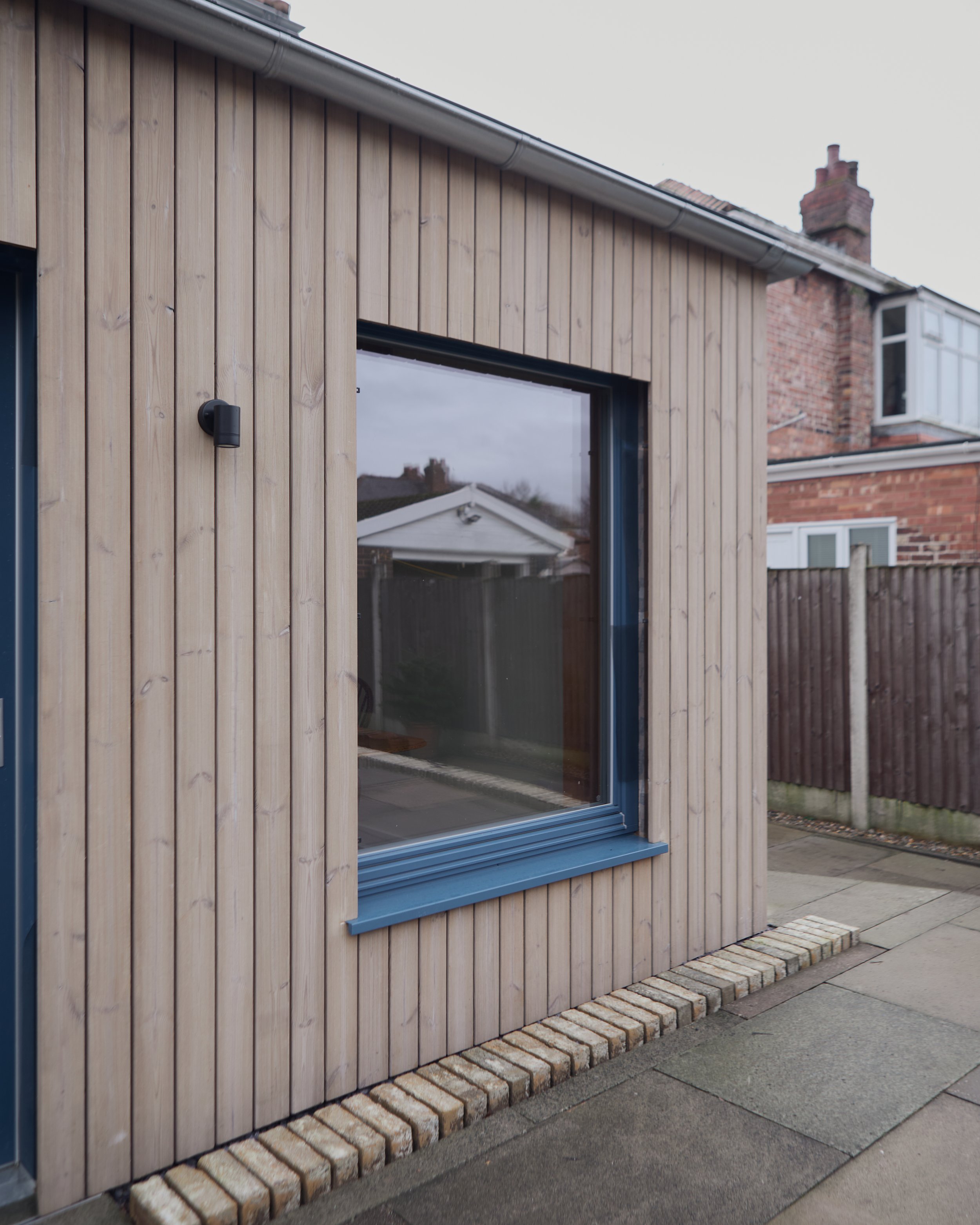
Windows: Viking Windows by Eco Home Windows Ltd
Ventilation: Zehnder ComfoAir200 MVHR with semi-rigid ductwork by Zehnder UK
Heating and Hot Water: 5kW Vaillant Air Source Heat Pump
Solar: 5x 450W Hi Mo LR7-54HTB Solar monocrystalline modules with 13.5kWh GivEnergy battery
Photography: Alex Dormon Photography
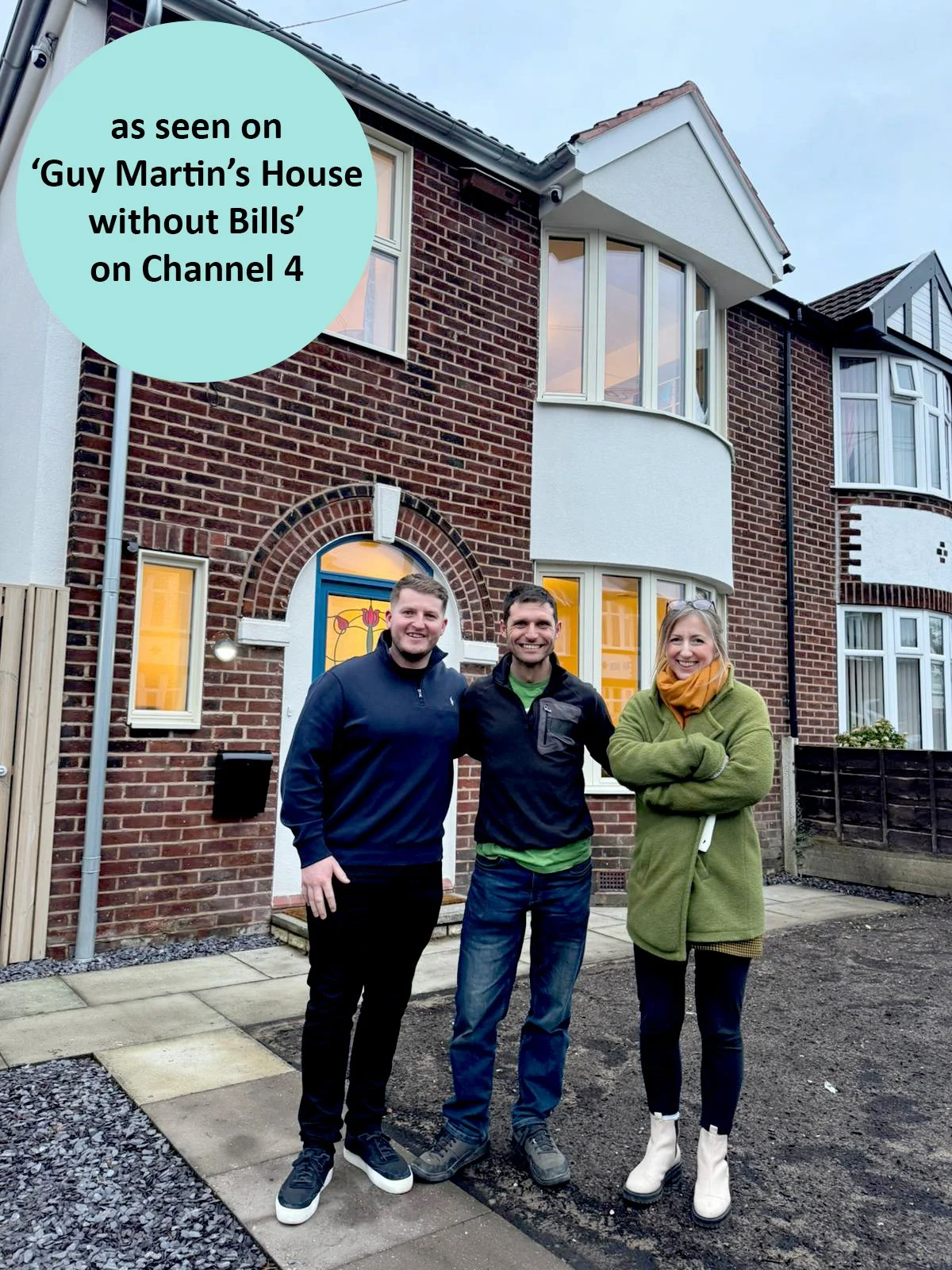
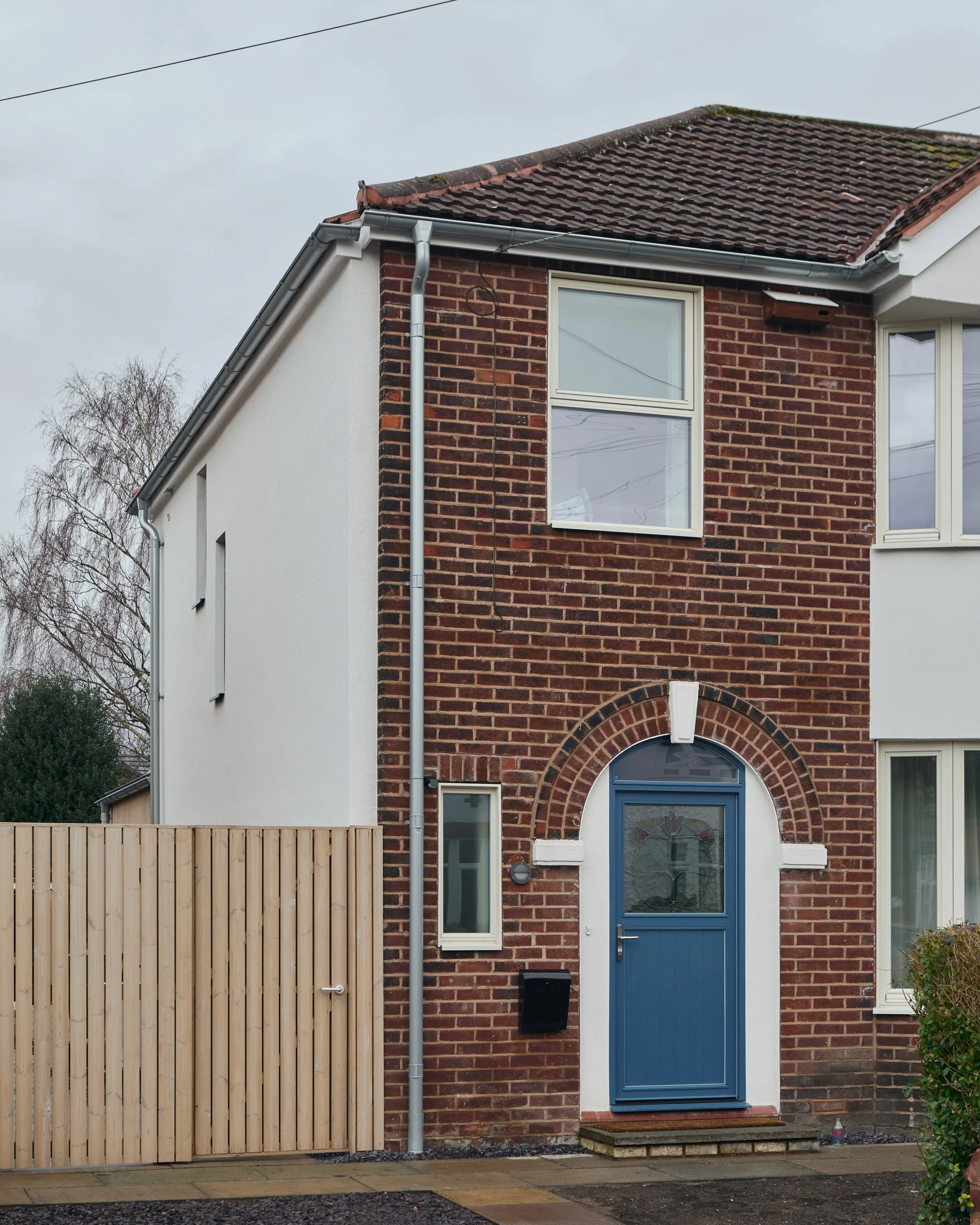
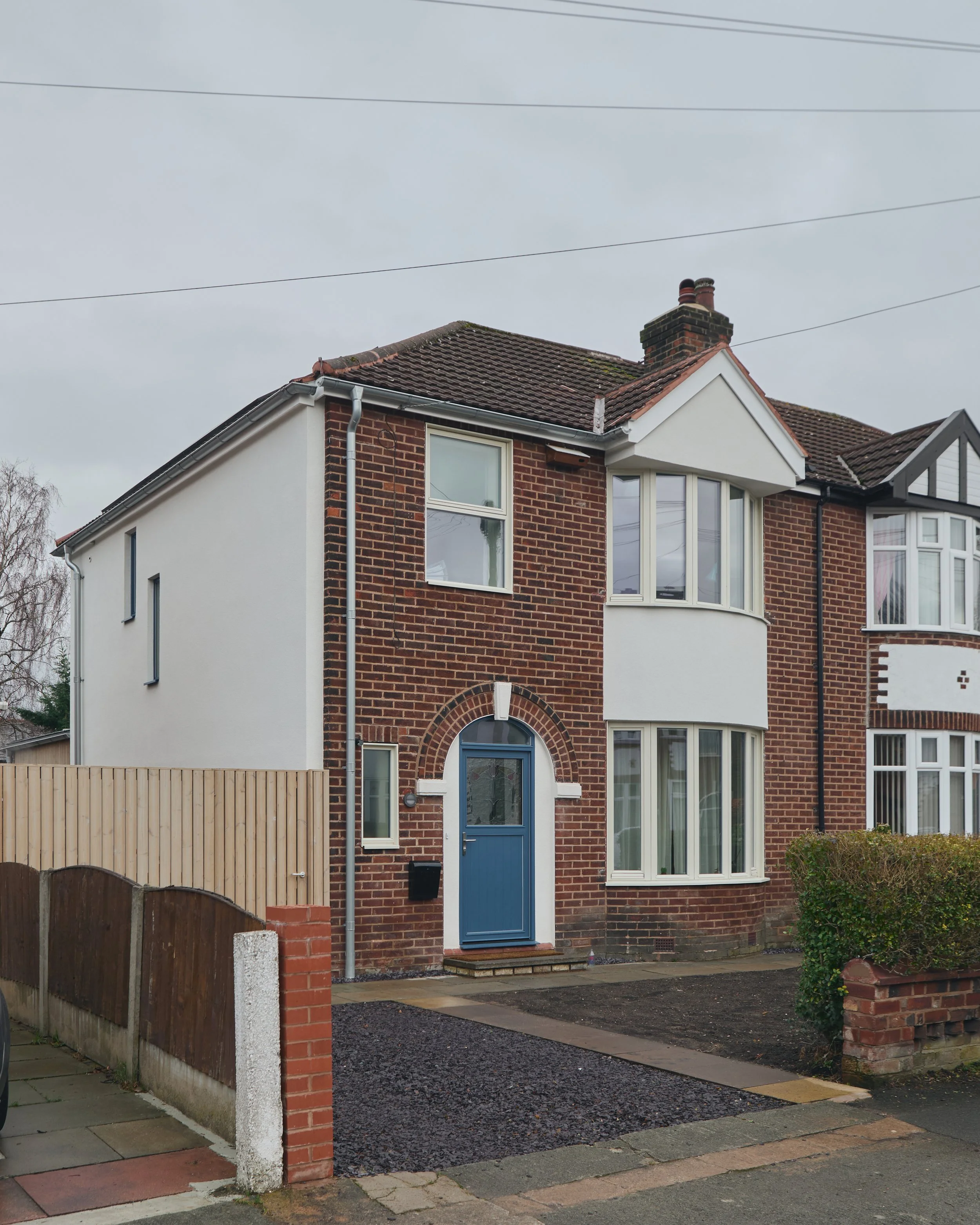
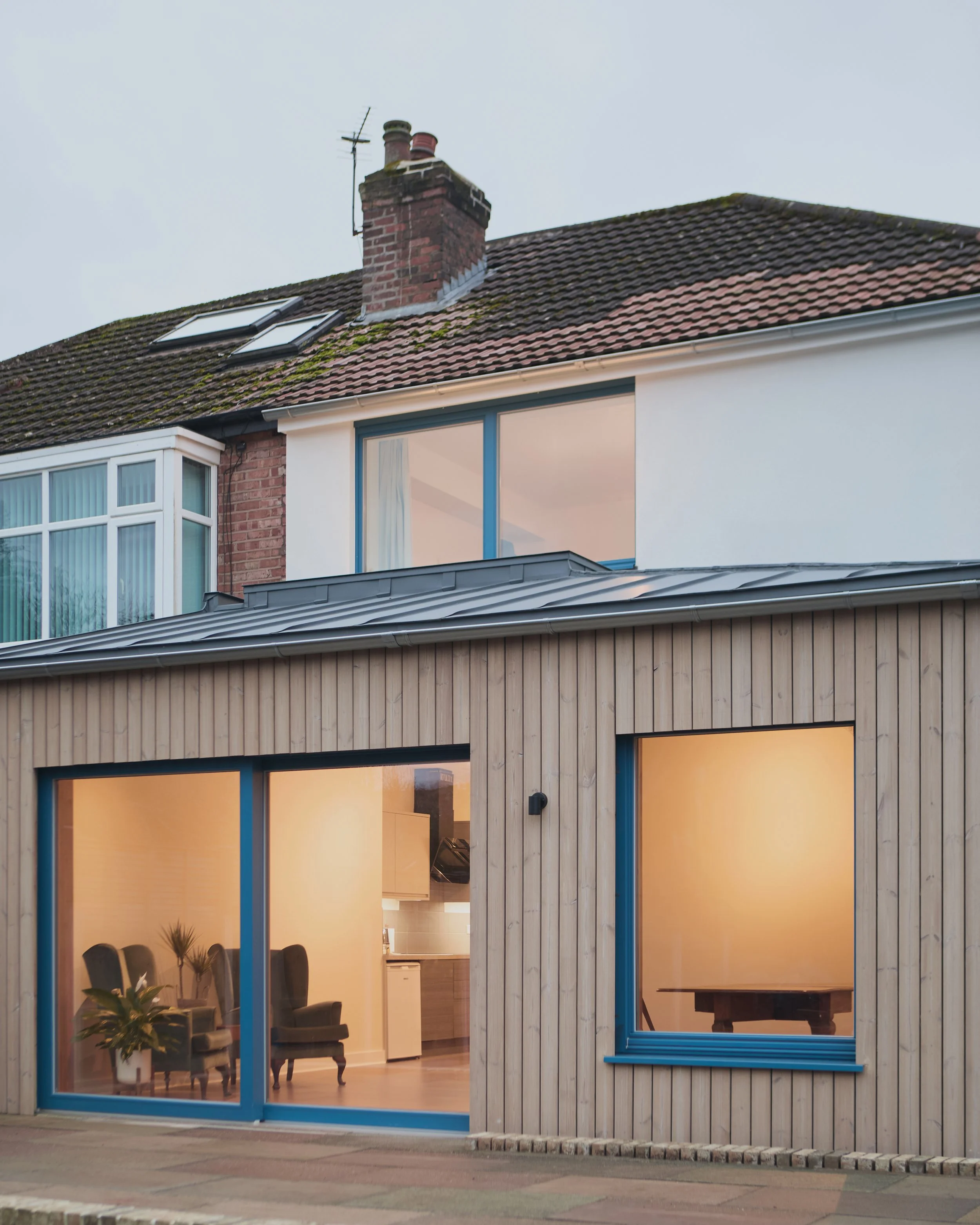
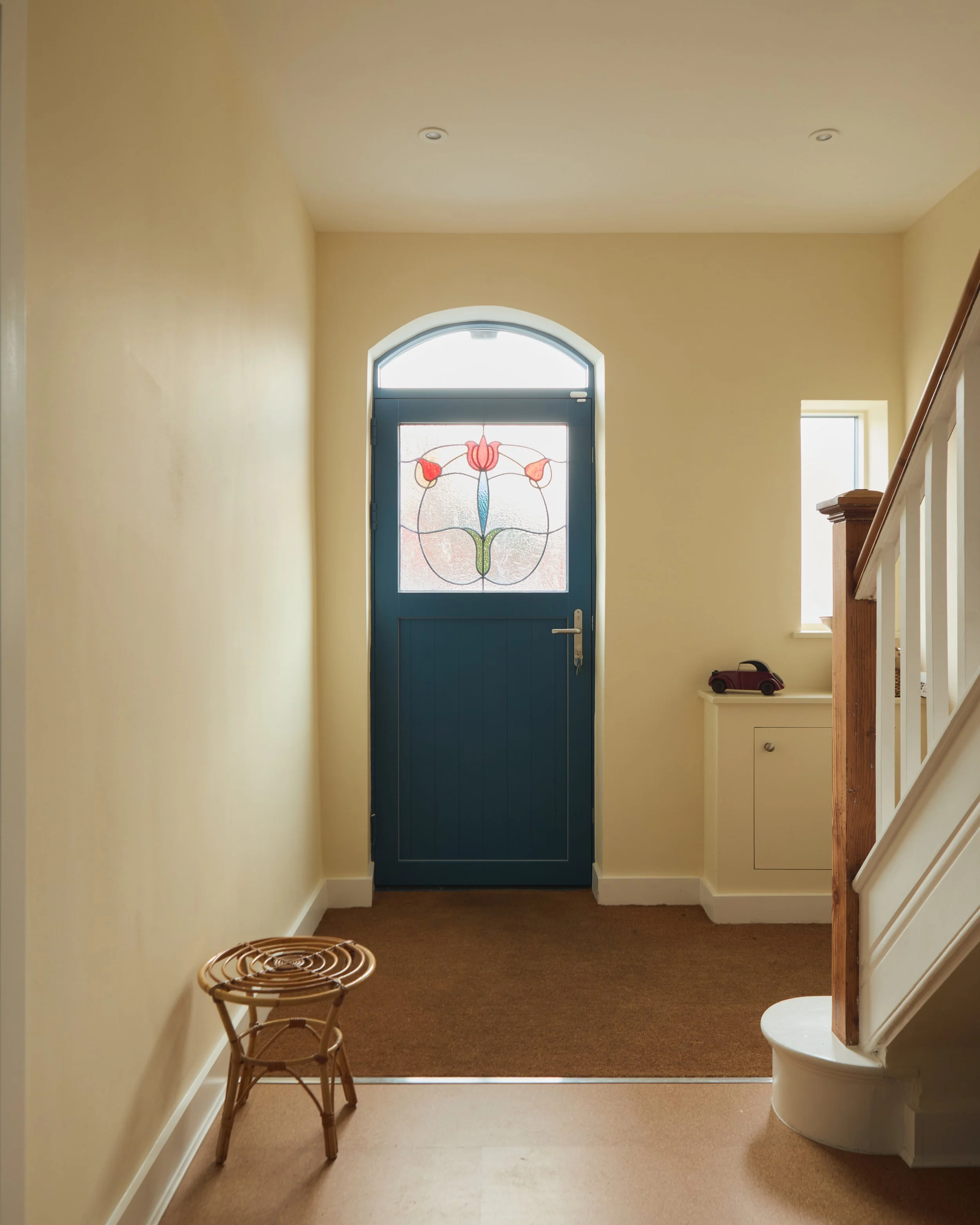
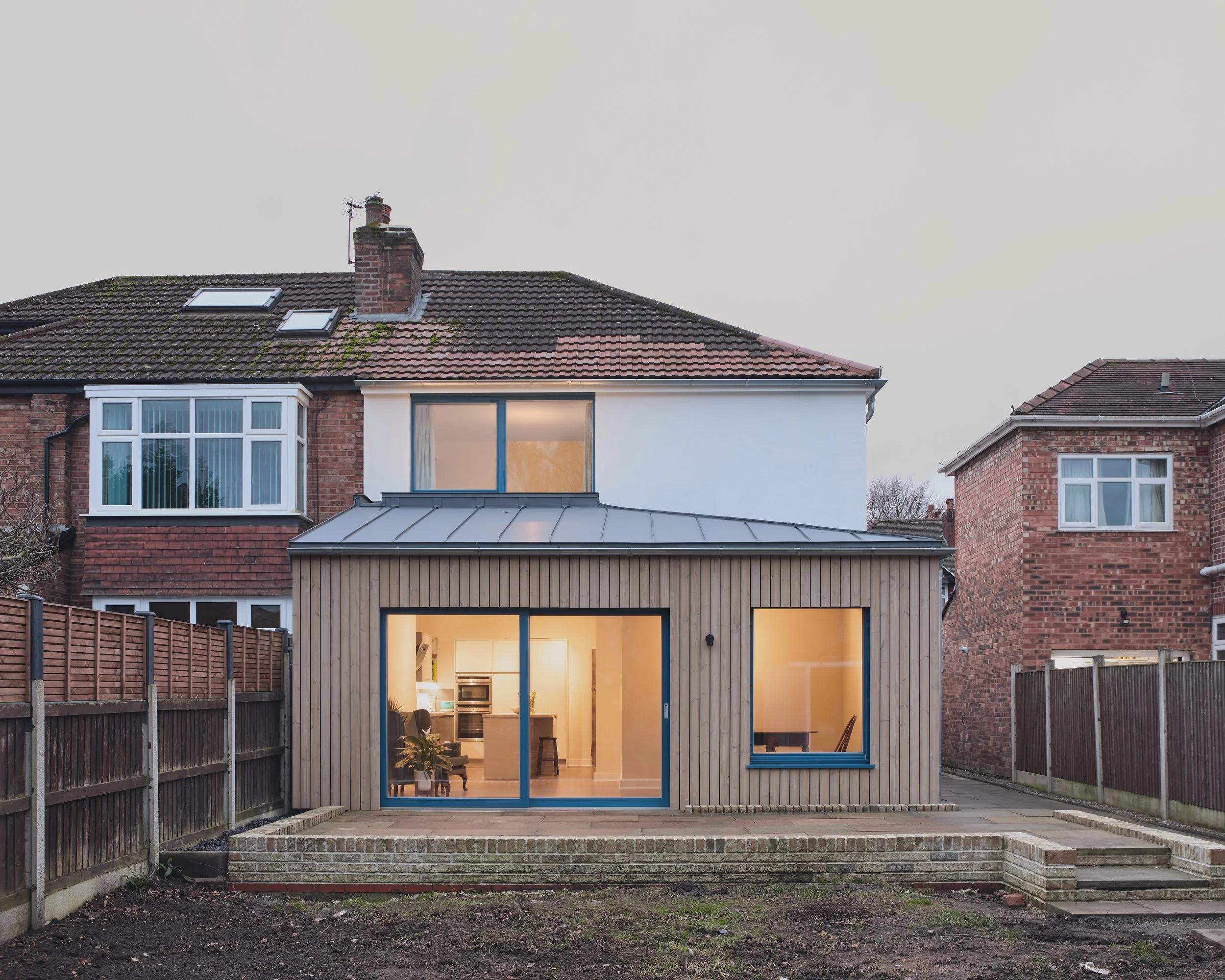
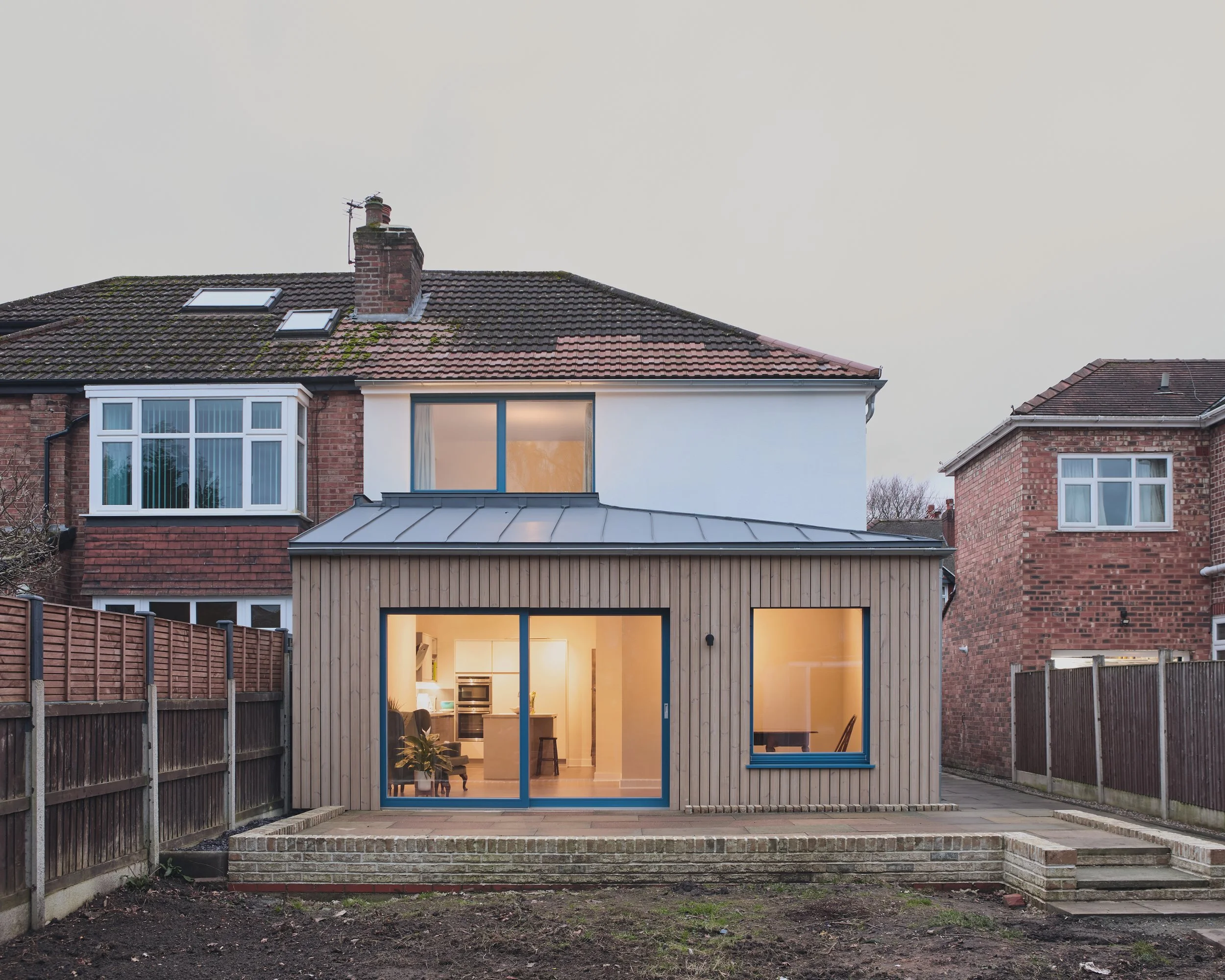
What makes Park Haus special is that it began as a very typical 1930s semi-detached house—an archetype found throughout south Manchester and across much of the UK. Our clients came to us with modest tastes and an understated approach, seeking to create their ‘forever home’. While the term is often used interchangeably with ‘dream home’, in this case the idea genuinely shaped the entire design strategy.
The house was radically transformed in energy terms, achieving the Passivhaus EnerPHit standard and reducing its heating demand by approximately 90%. Alongside this exceptional performance upgrade, the internal spaces were reimagined to create a comfortable, accessible and healthy home that will support the owners throughout their retirement. The result is a home that allows them to live in long-term comfort, without concern over rising energy costs or reduced mobility forcing a change in living circumstances.
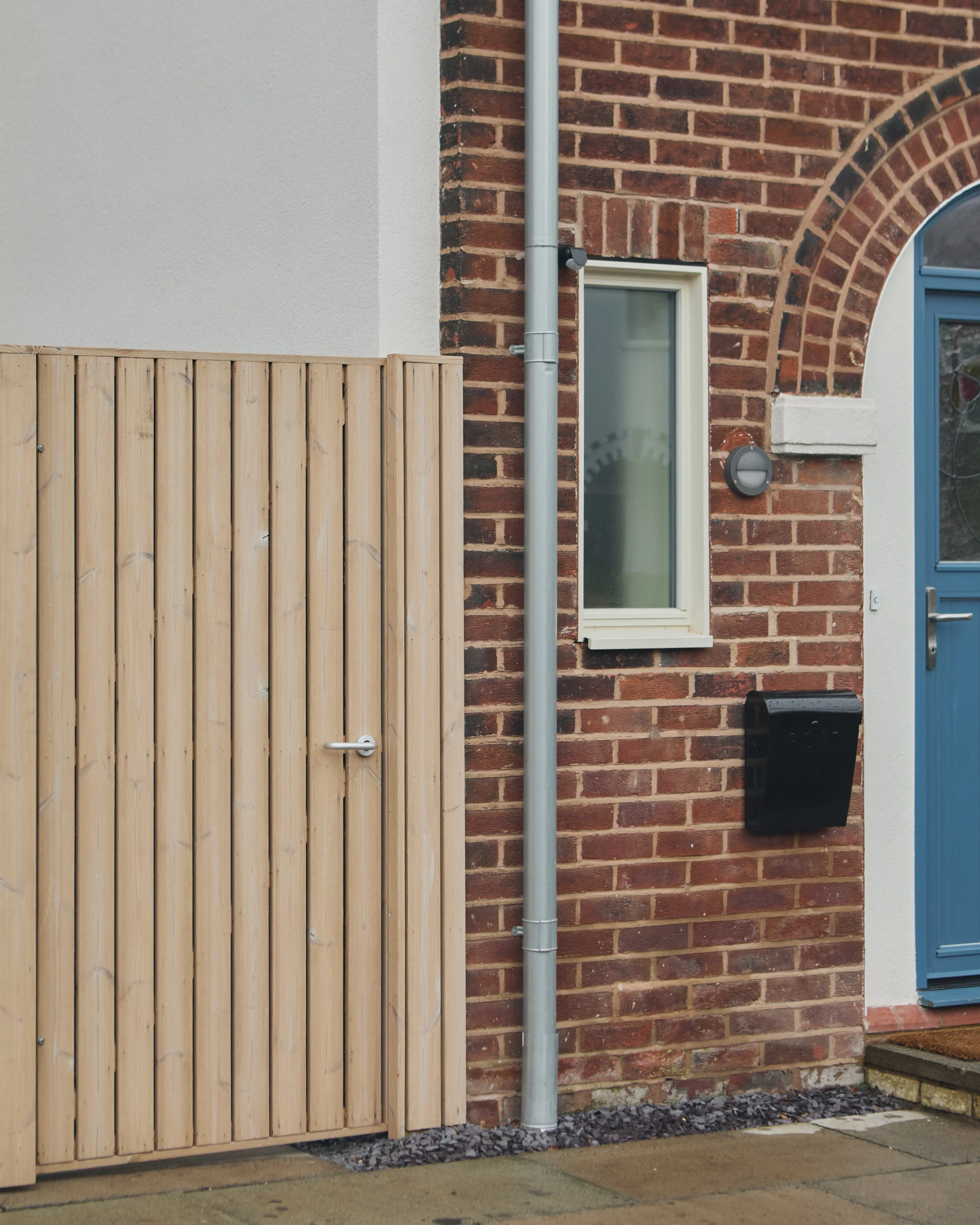
This level of performance is delivered through a robust Retrofit Strategy. Measures include internal wall insulation to the front elevation, external wall insulation to the rear, a newly insulated ground floor, upgraded loft insulation and high-performance triple glazing throughout. Airtightness—an essential contributor to comfort and a key Passivhaus/EnerPHit requirement—was also prioritised, with the project exceeding expectations by achieving an impressive 0.93 ACH@50Pa, representing roughly a 90–95% improvement on the original building.
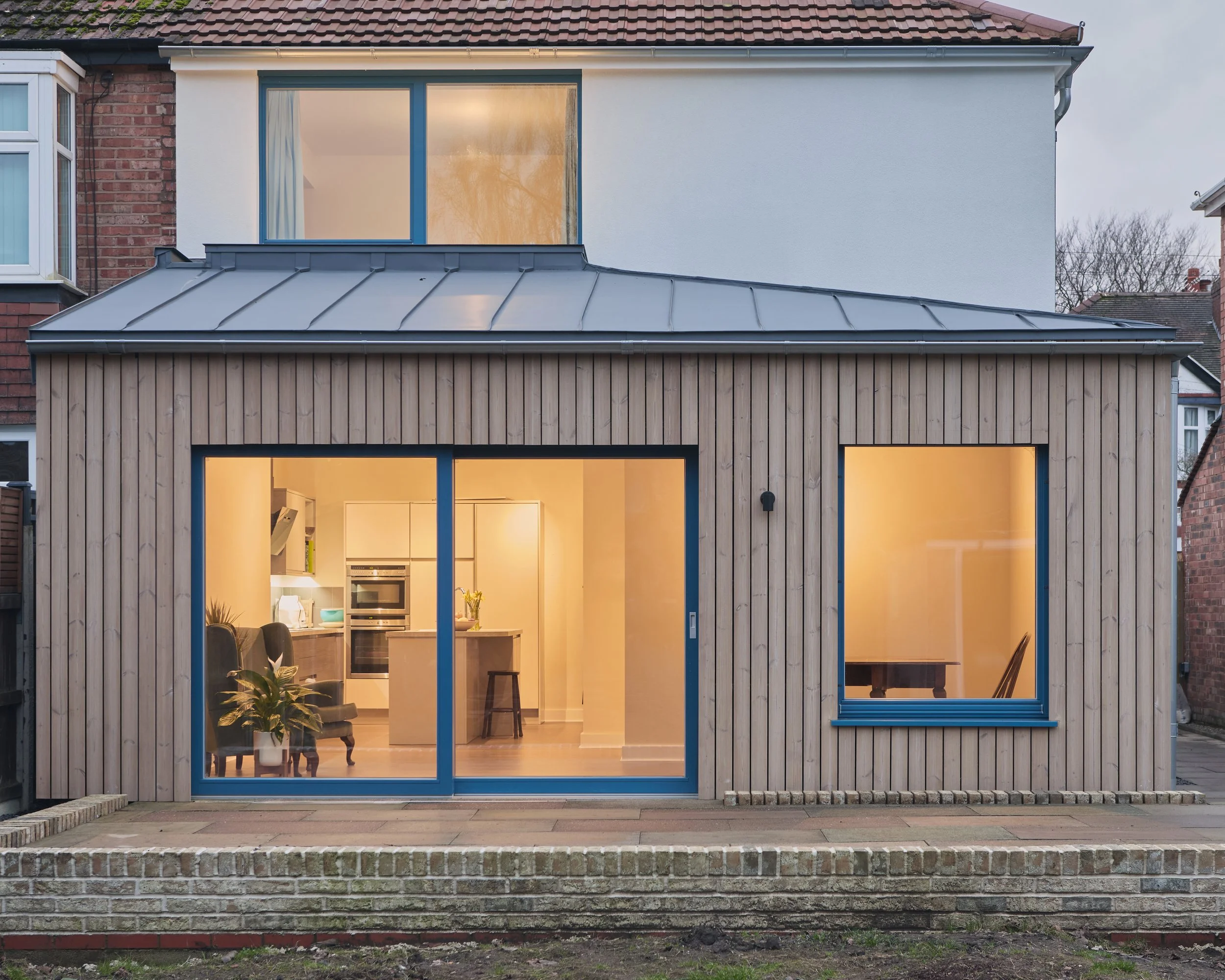
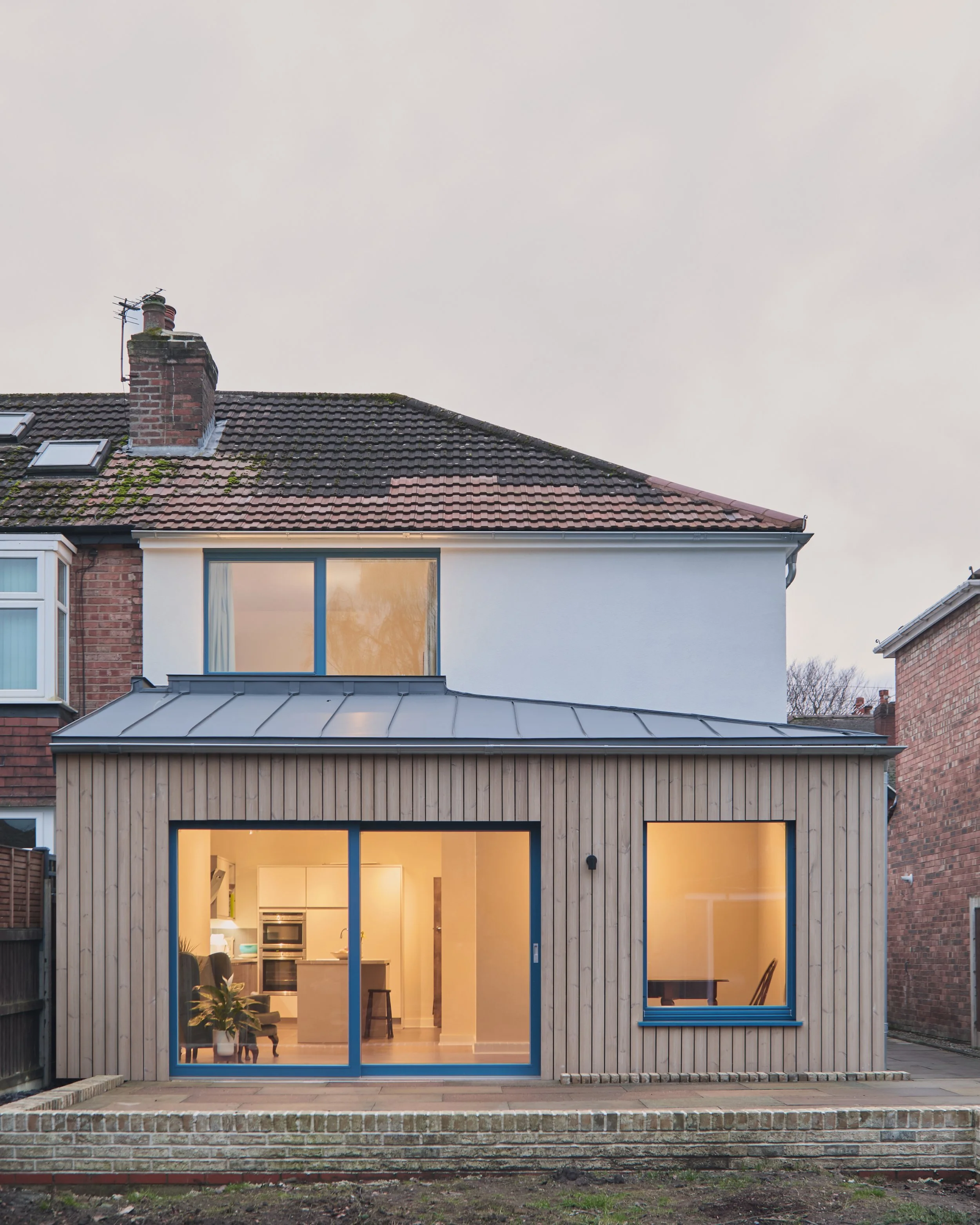
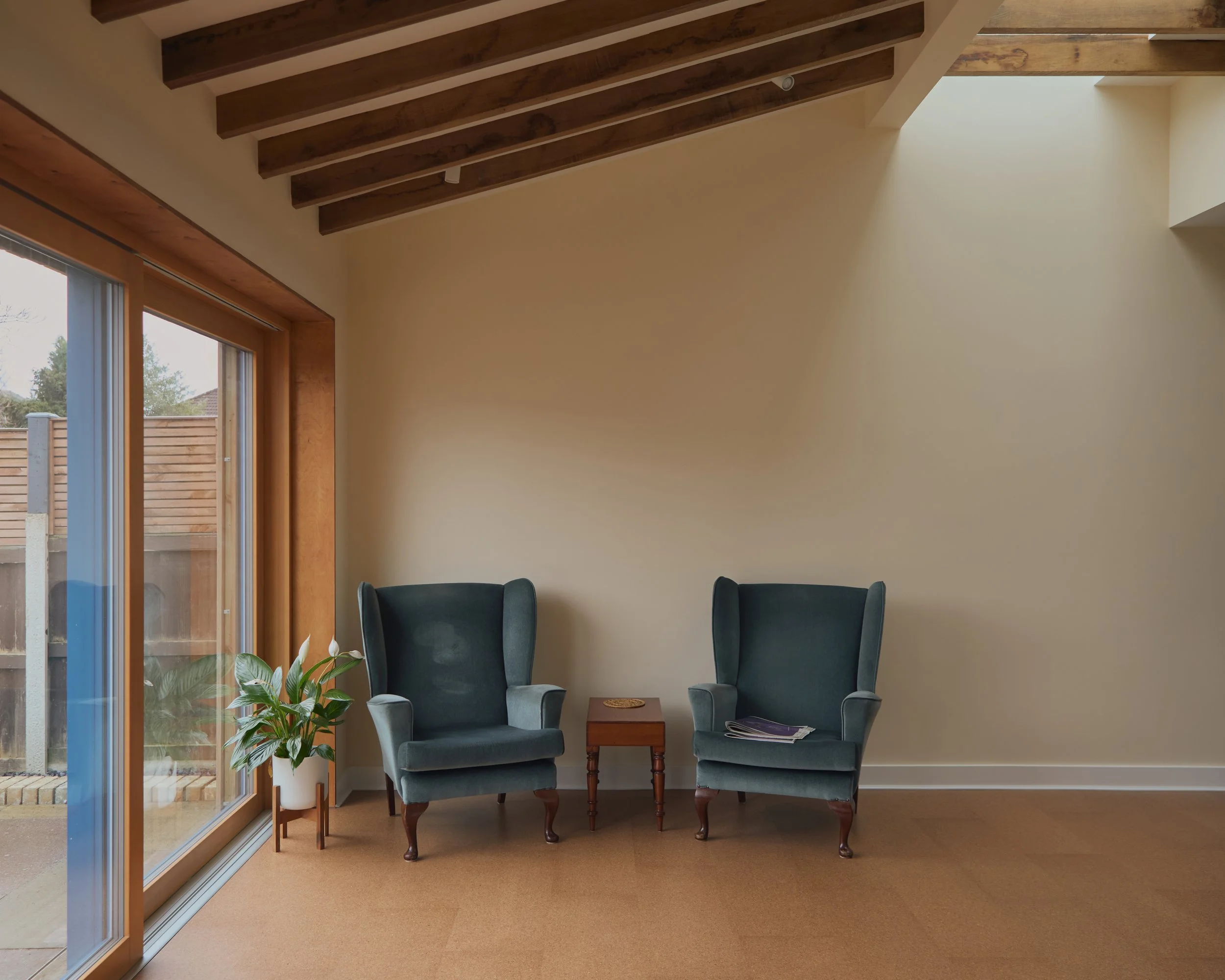
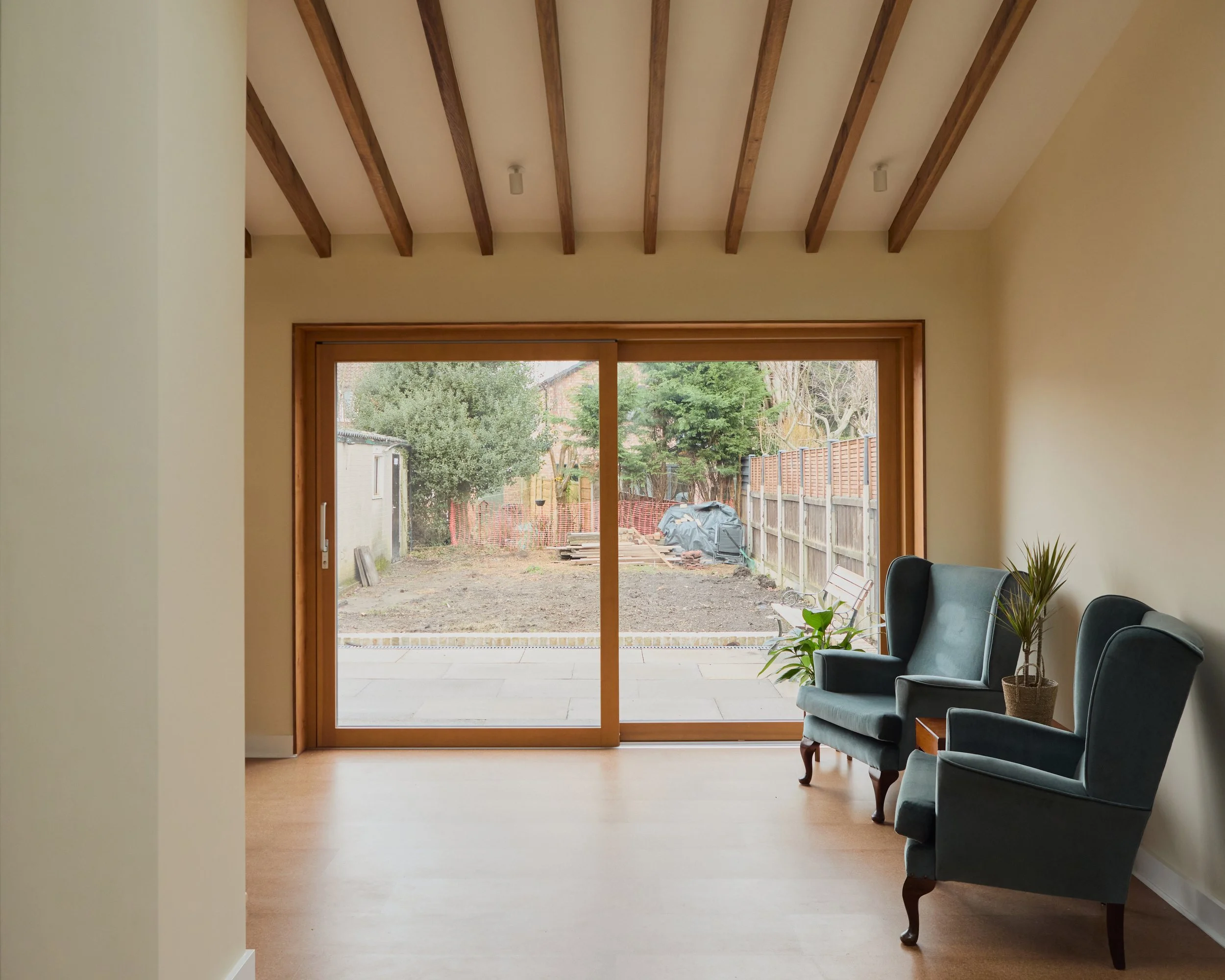
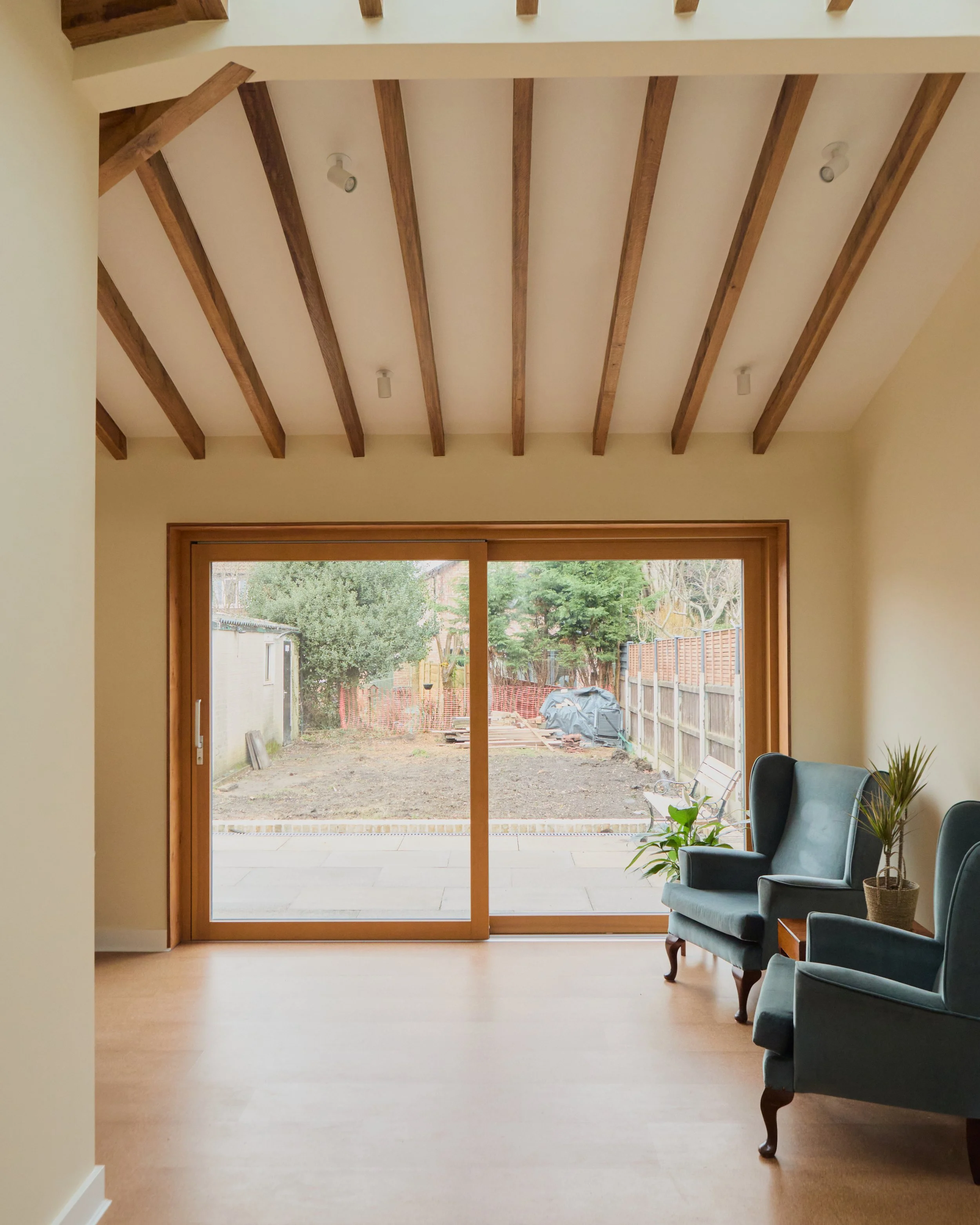
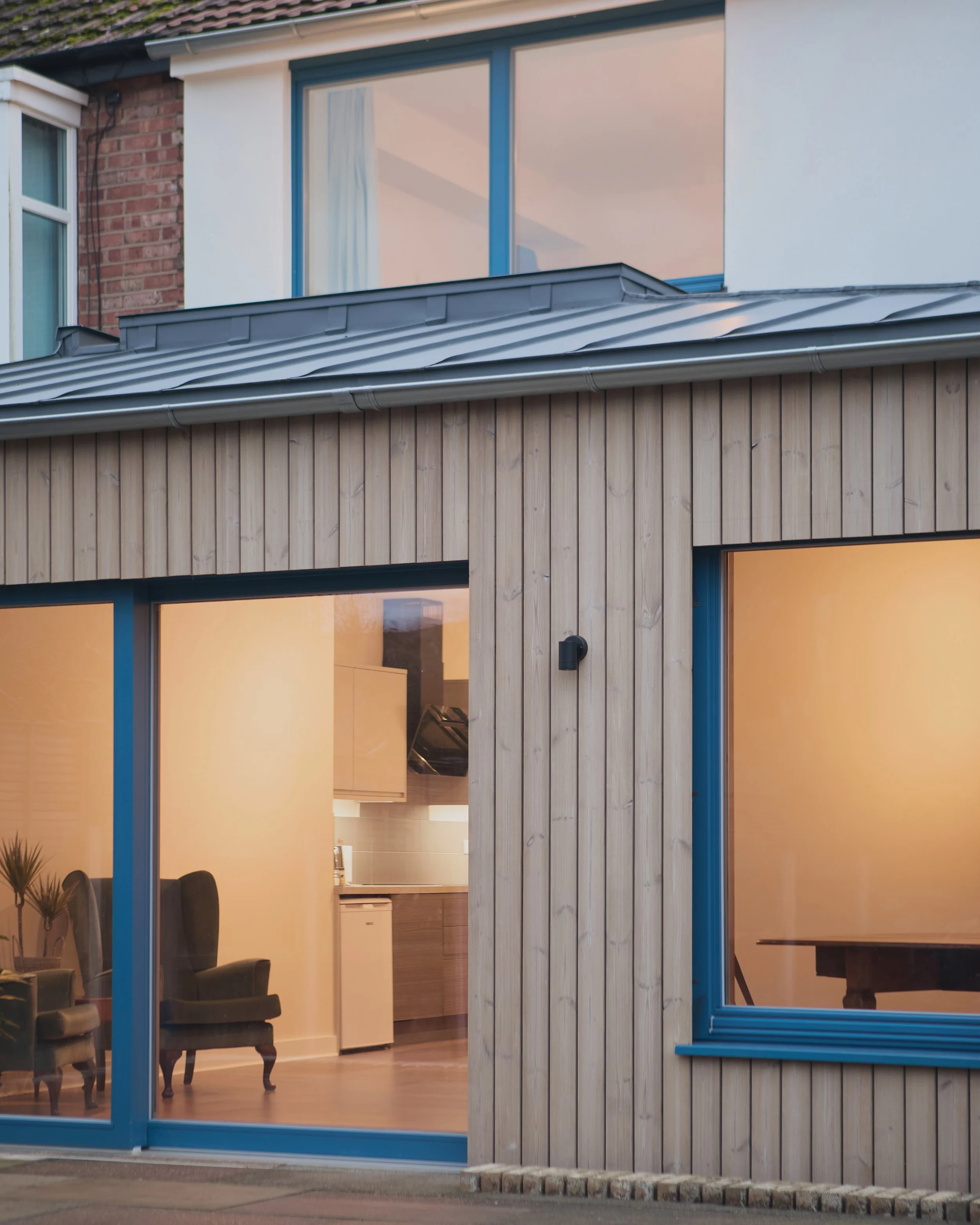
A modest rear extension creates a generous living space that offers future flexibility: should it ever be required, the front living room could become a bedroom without compromising day-to-day comfort. An accessible ground-floor shower room supports single-level living, while level access to the rear patio is provided via a gentle, thoughtfully designed ramp that integrates seamlessly with the architecture.
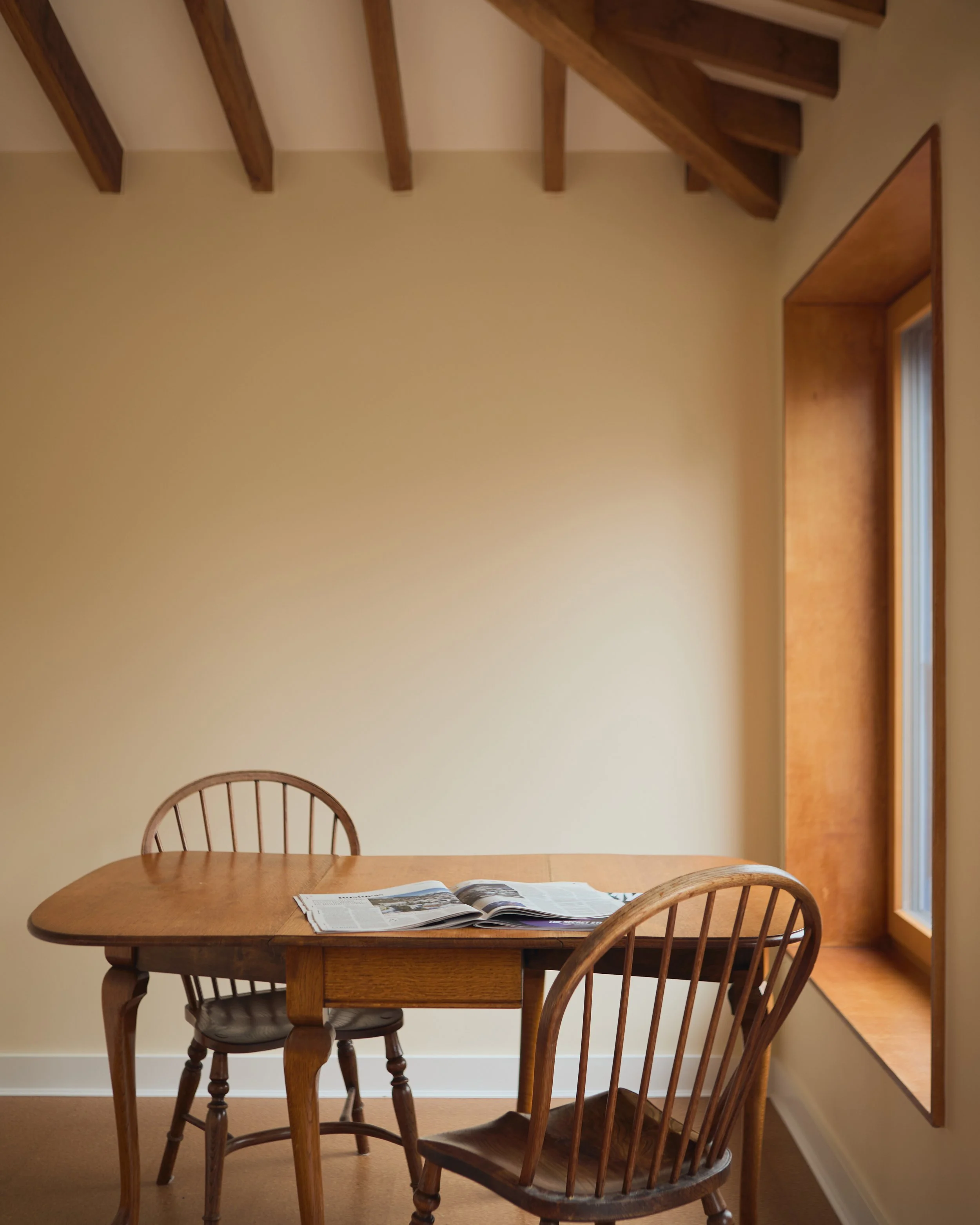
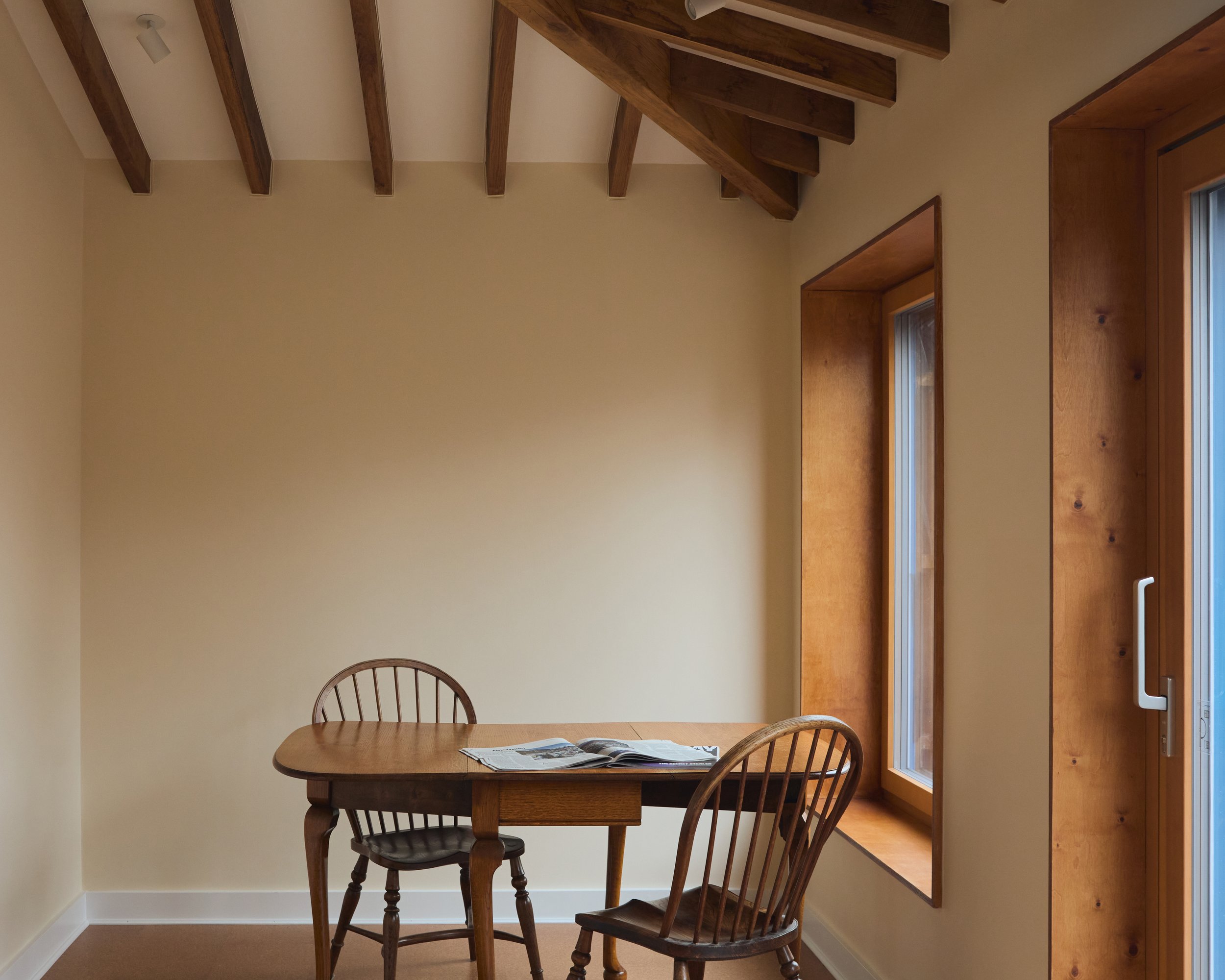
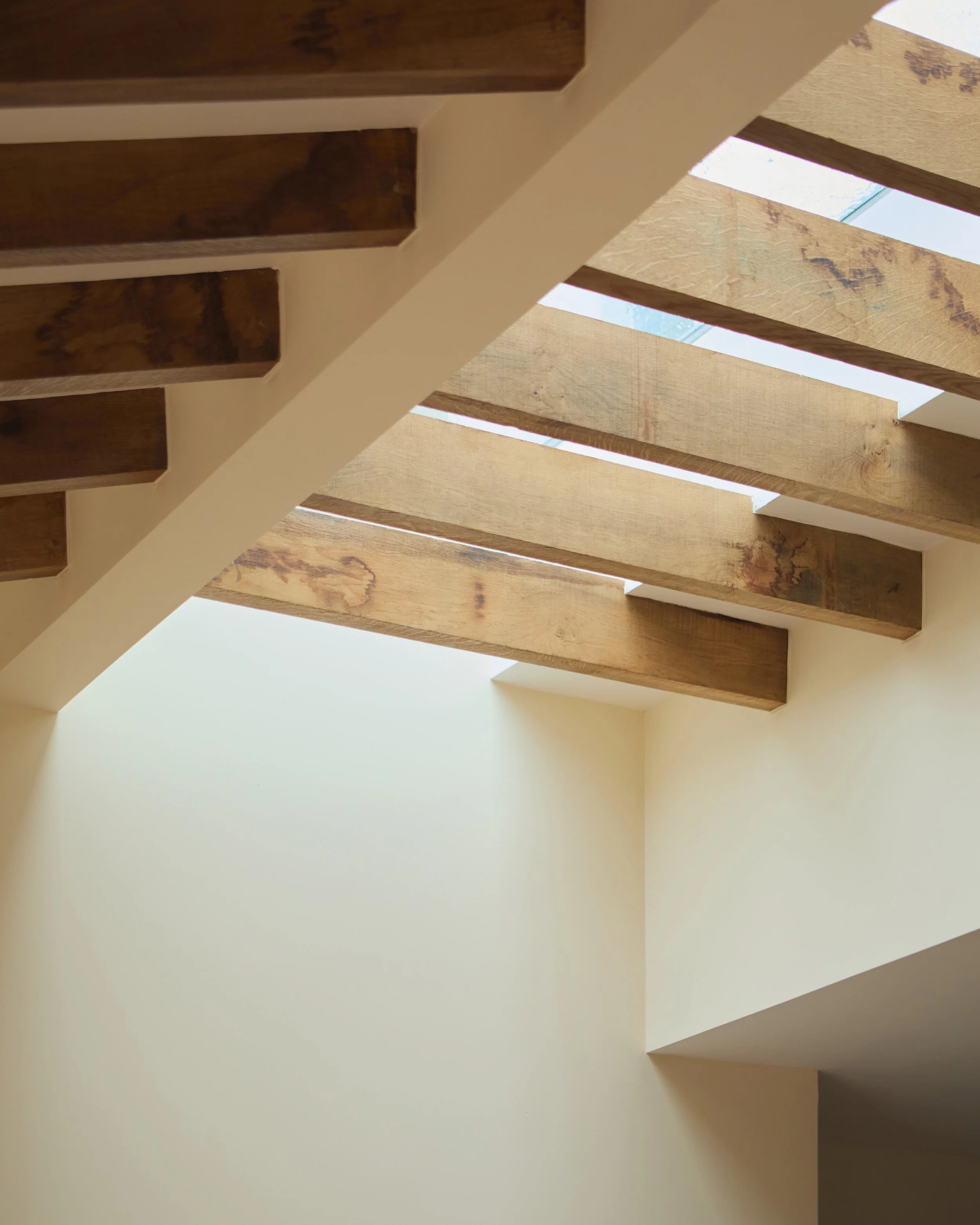
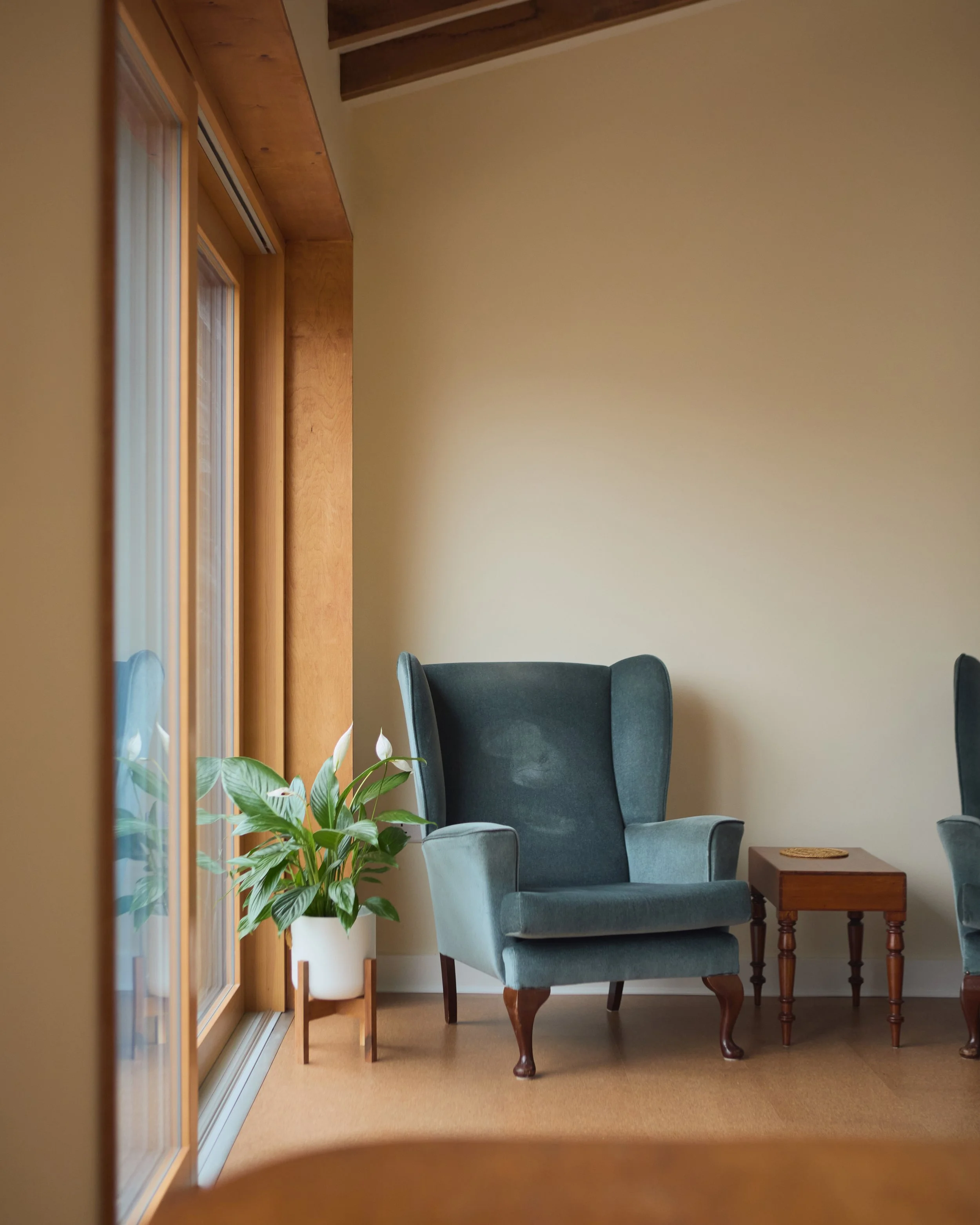
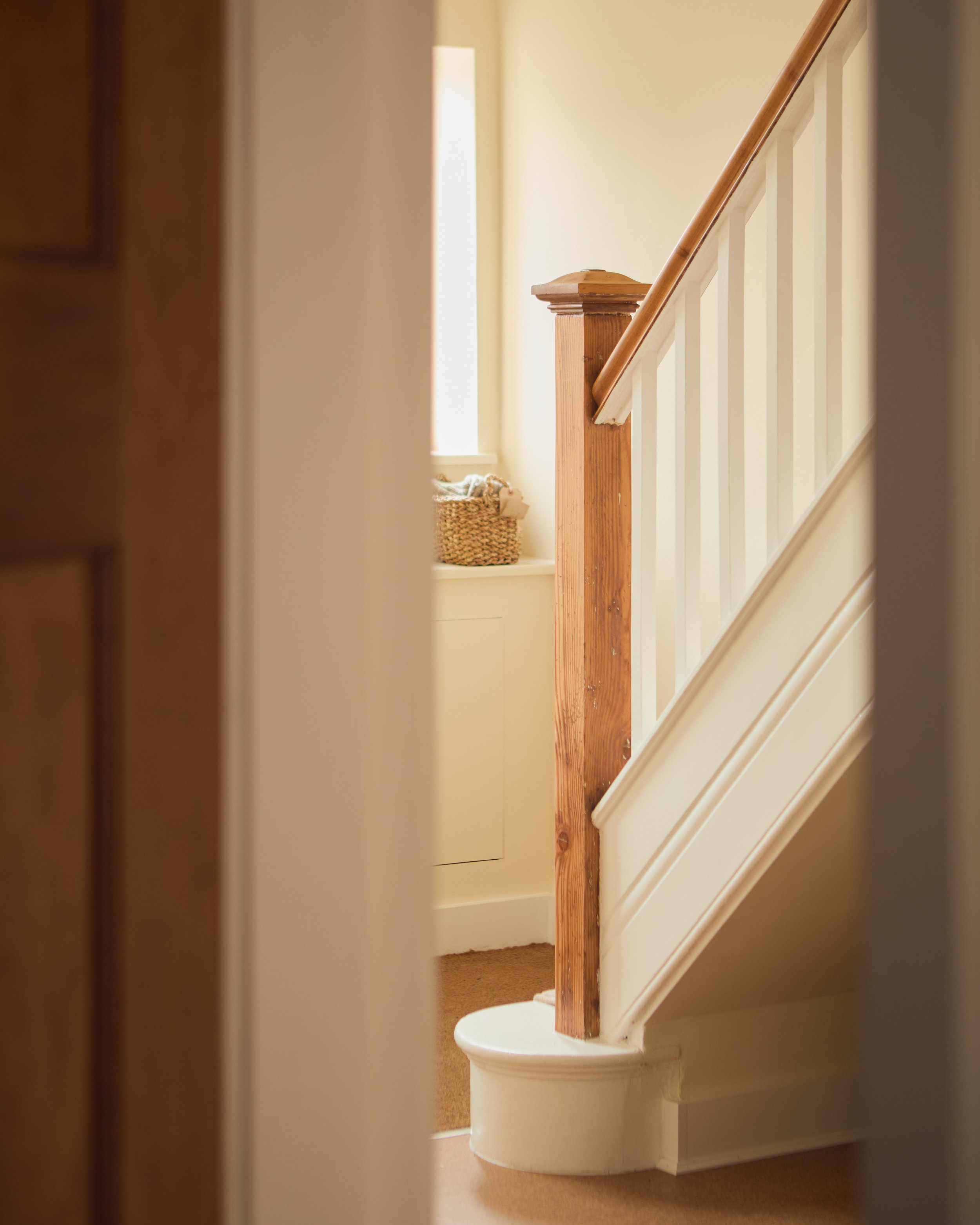
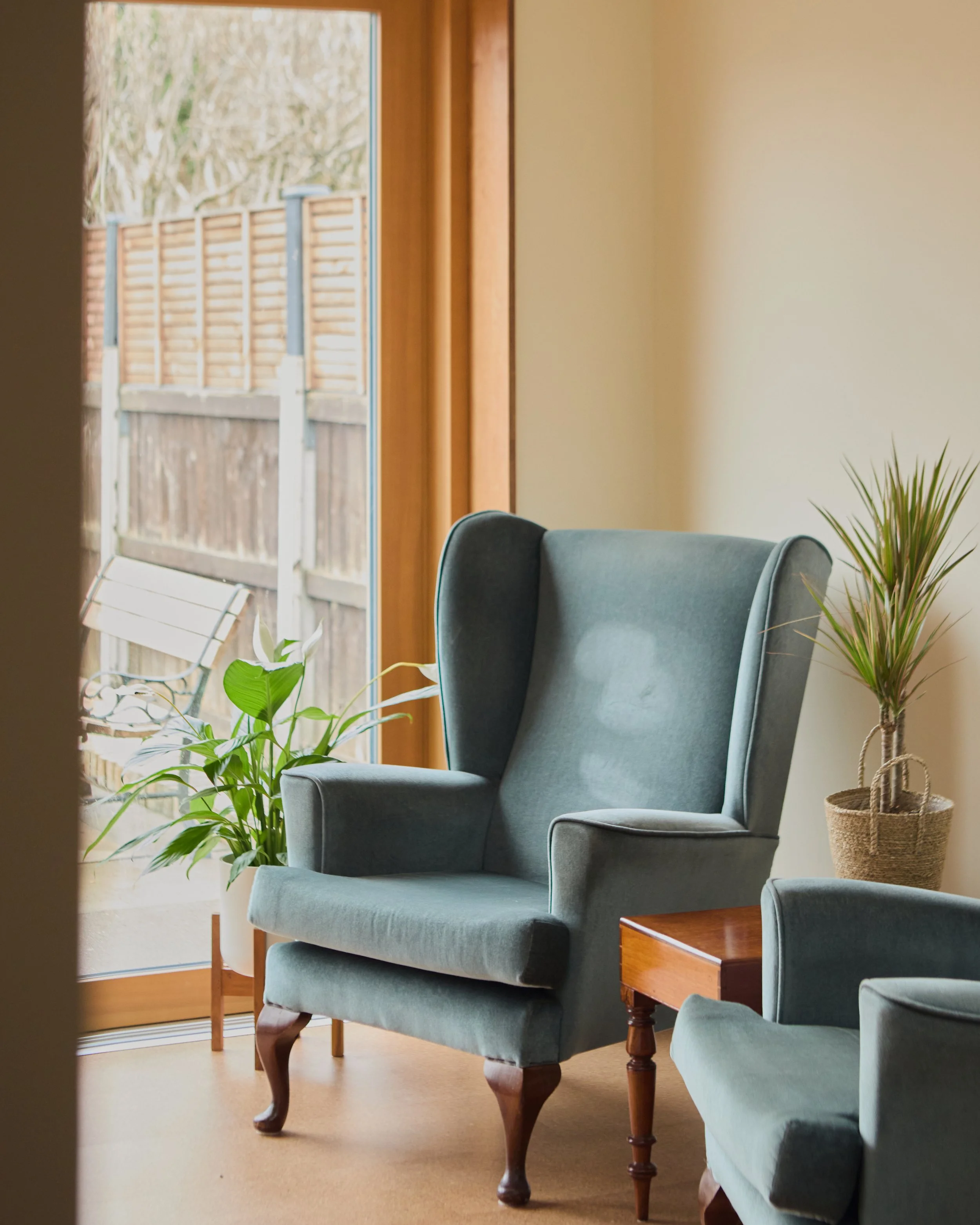
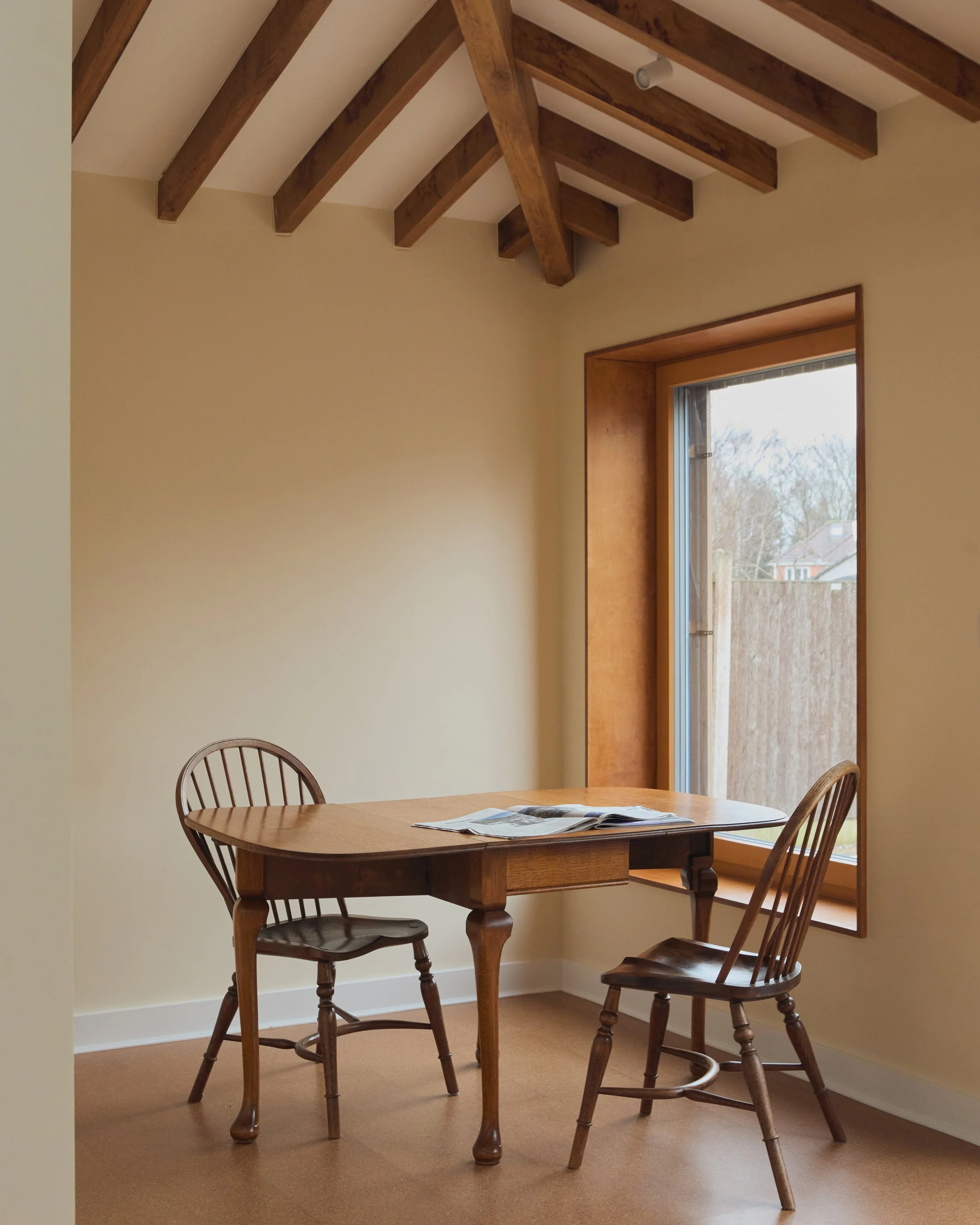
Internally, the use of natural materials—engineered cork flooring, exposed oak rafters and timber window reveals—adds warmth and texture. These biophilic, fractal patterns help foster a calm, restorative environment and are proven to reduce stress. Plant-based materials, lime plaster and mineral paints further enhance internal air quality by minimising VOC emissions.
A balanced MVHR (mechanical ventilation with heat recovery) system supplies filtered fresh air without compromising thermal performance. This not only improves air quality but also reduces the risk of moisture and mould while extracting internal pollutants.
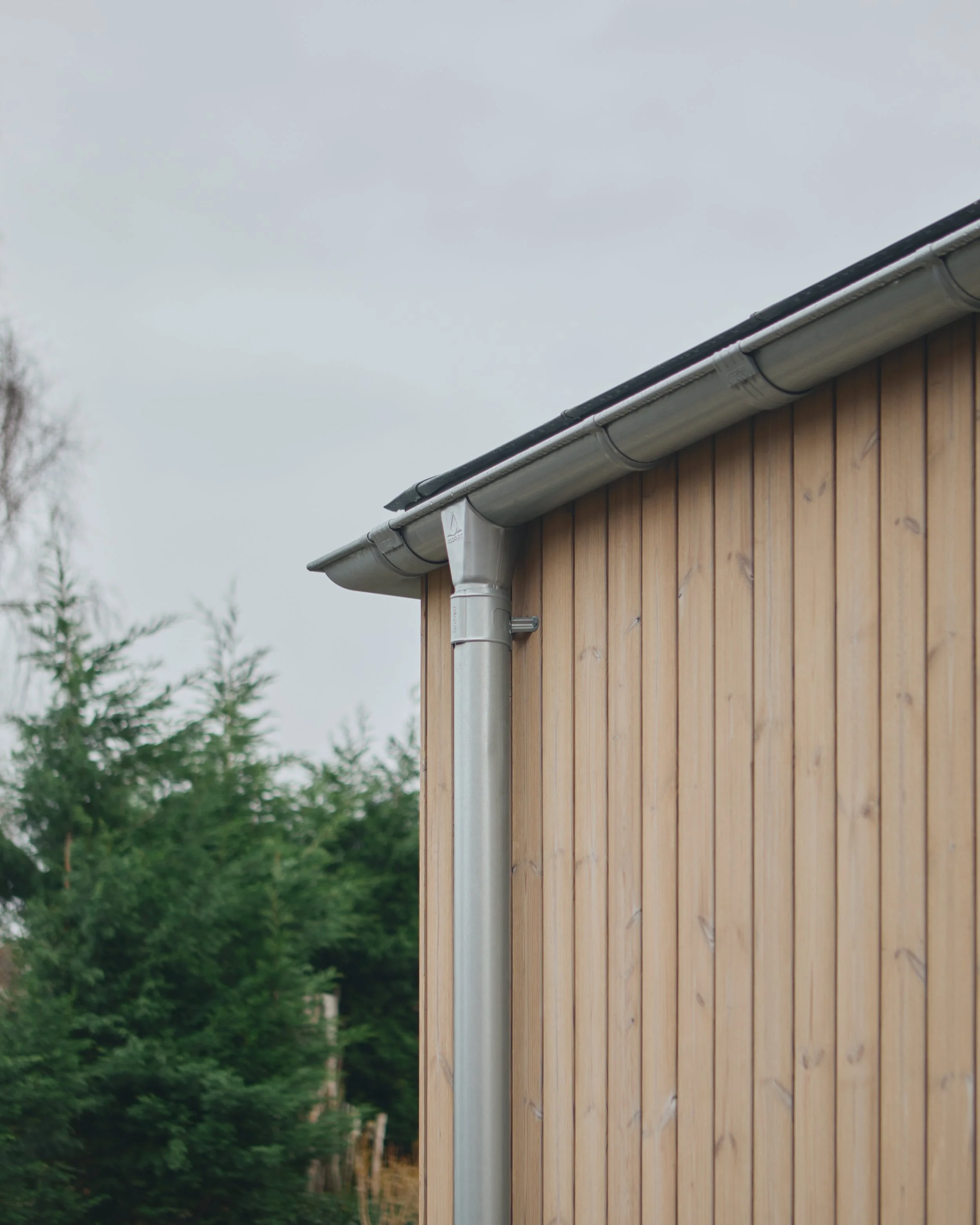
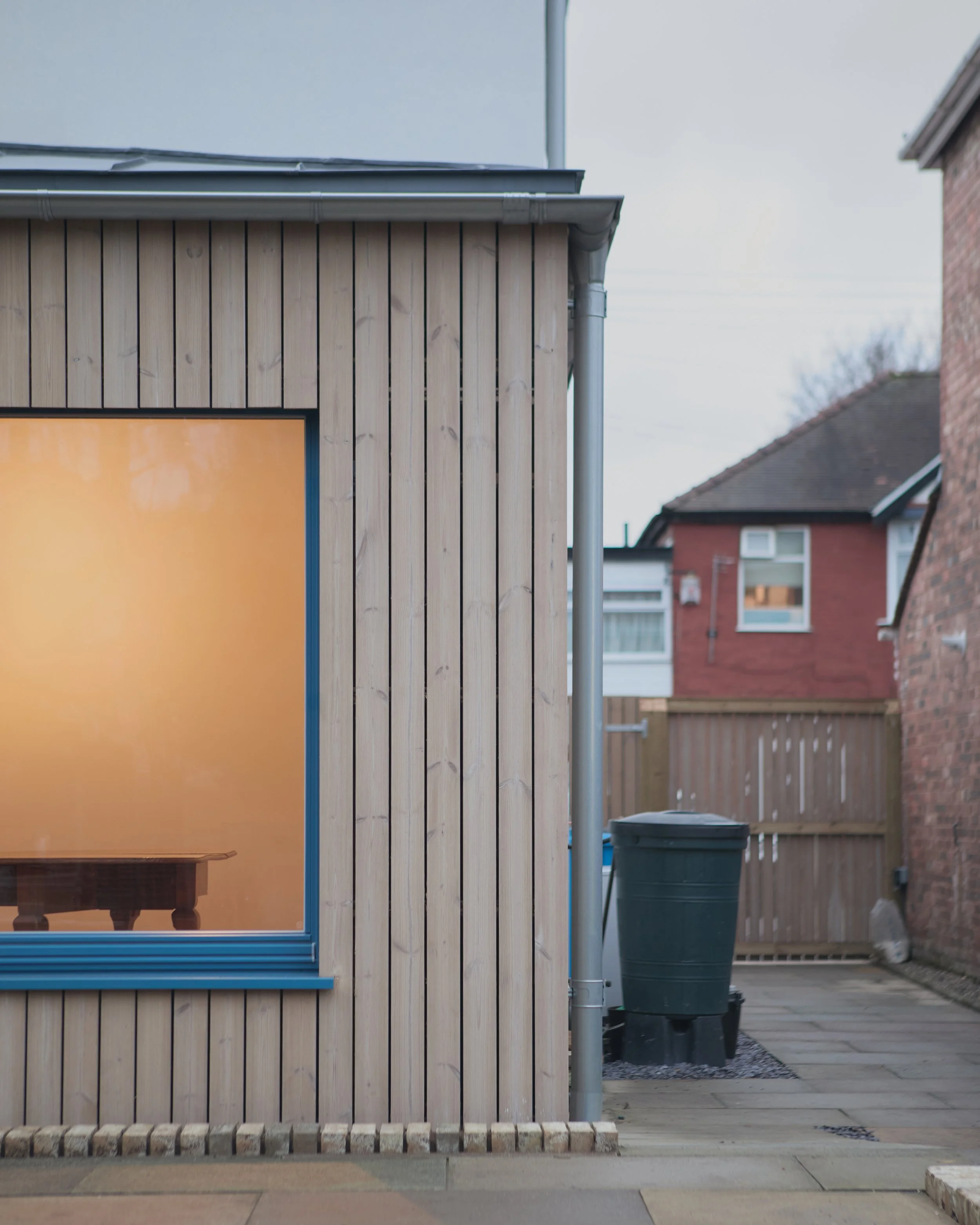
The commitment to natural materials extends to the external appearance and construction approach. High-quality timber cladding gives the building an elegant finish, while the rear extension was constructed using an engineered timber frame with recycled newspaper insulation. The front of the house was insulated with wood fibre and finished in lime plaster. Sustainability was also embedded through reuse: the owners sourced a second-hand kitchen with high-end appliances, reused existing paving slabs, and incorporated reclaimed 1930s internal doors. Together, these decisions significantly reduce the embodied carbon of the project.
The EnerPHit standard aims to drastically minimise the energy required to heat the home. With this strategy in place, it has been possible to install a very small air source heat pump to meet the remaining demand. Because the heating requirement is so low, the system is inexpensive to run, and this is reduced further through the addition of solar panels and battery storage, helping to future-proof the home against rising energy costs.
Ultimately, Park Haus demonstrates how an ordinary house can be transformed into something quietly extraordinary. By combining deep energy retrofit principles with thoughtful spatial design, natural materials and long-term adaptability, the project shows that sustainability and comfort are not opposing goals, but mutually reinforcing ones. It is a home designed not just to perform exceptionally today, but to support dignity, wellbeing and independence well into the future—proving that truly sustainable architecture is as much about people as it is about energy.