Nobody Puts Baby (Architect) in the Corner – Reflections from FLIPIM 2026, my First Conference
By Izzy Beal, Part 1 Architectural Assistant at Progress in Practice
At 7:41am on the commuter train to Liverpool Lime Street last Thursday, I was warned that conferences are notoriously long days of jargon-heavy presentations, endless networking, with never quite enough coffee available to fuel them
Thankfully, and unsurprisingly, FLIPIM ’26 was nothing like this stereotype.
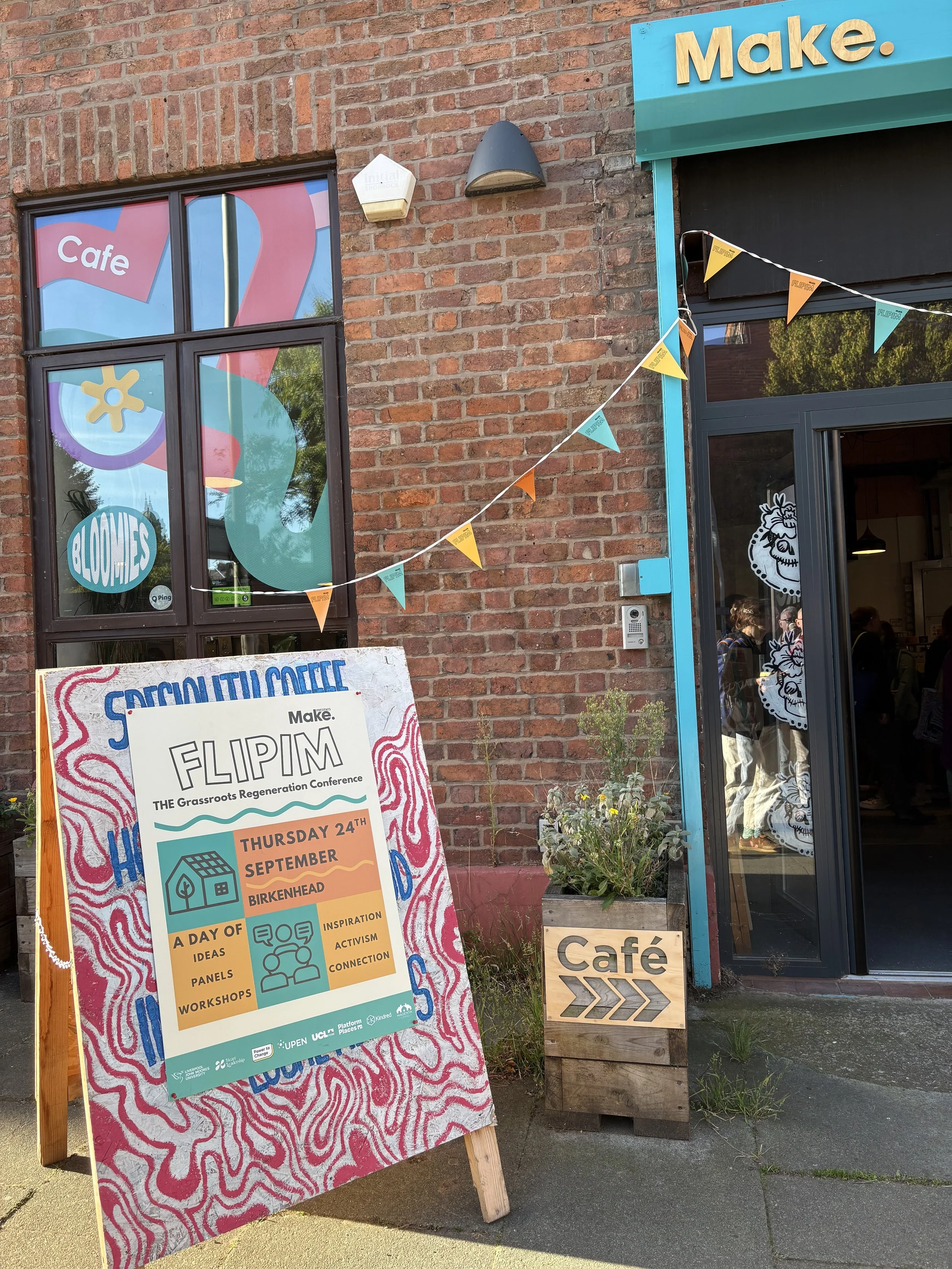
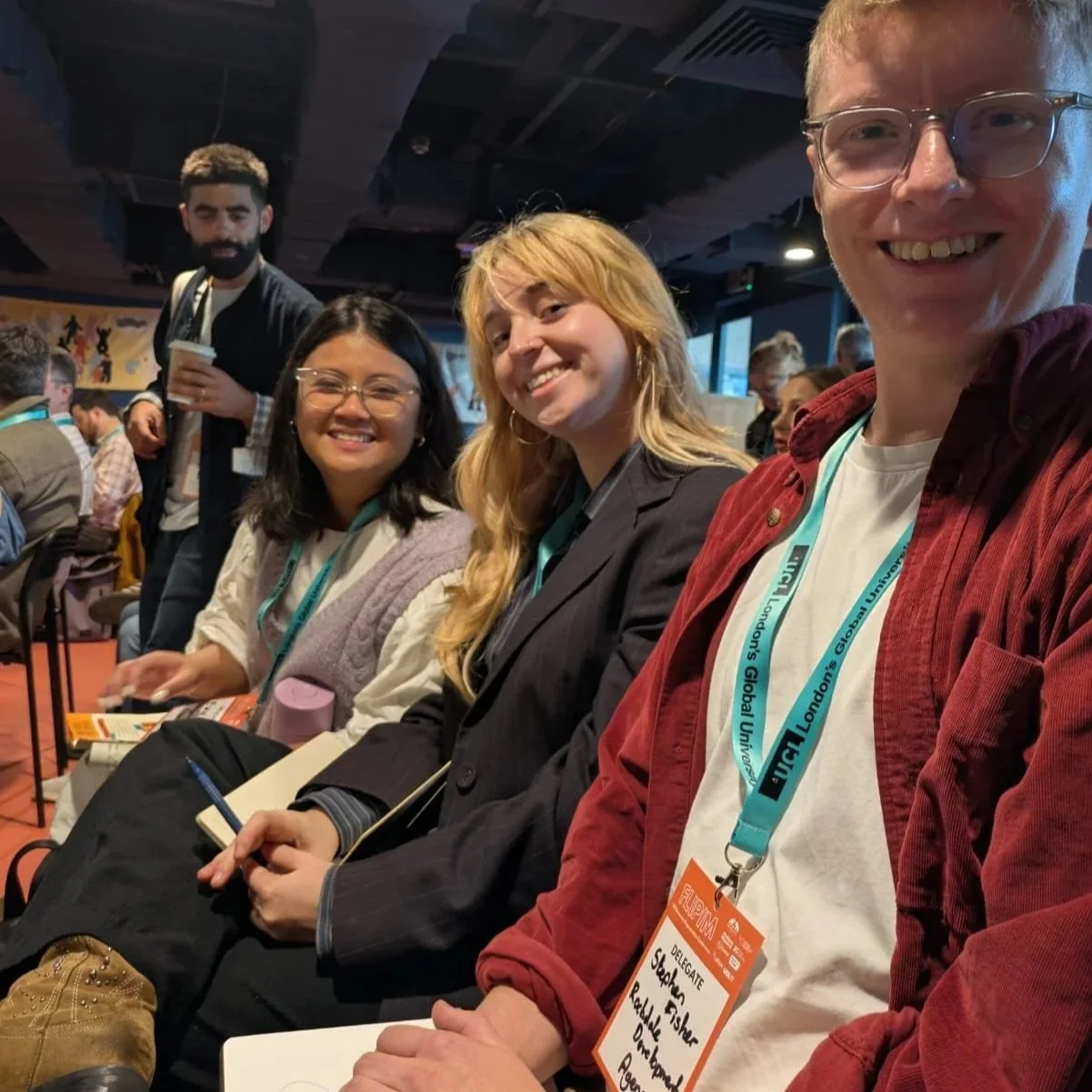
For me, attending my first conference as a working professional felt like a milestone. As a student, I spent my degree discussing architecture’s social value through hypothetical projects and fabricated clients, but FLIPIM felt like my first real opportunity to hear from people using architecture and community-led regeneration to create real, tangible change.
The conference explored the challenges and opportunities of community-led regeneration, and brought together architects, planners, cultural organisations, business owners and residents to discuss the practicalities and importance of actively involving communities in shaping the fabric of their towns and cities, as genuine collaborators, rather than as the final point of call.
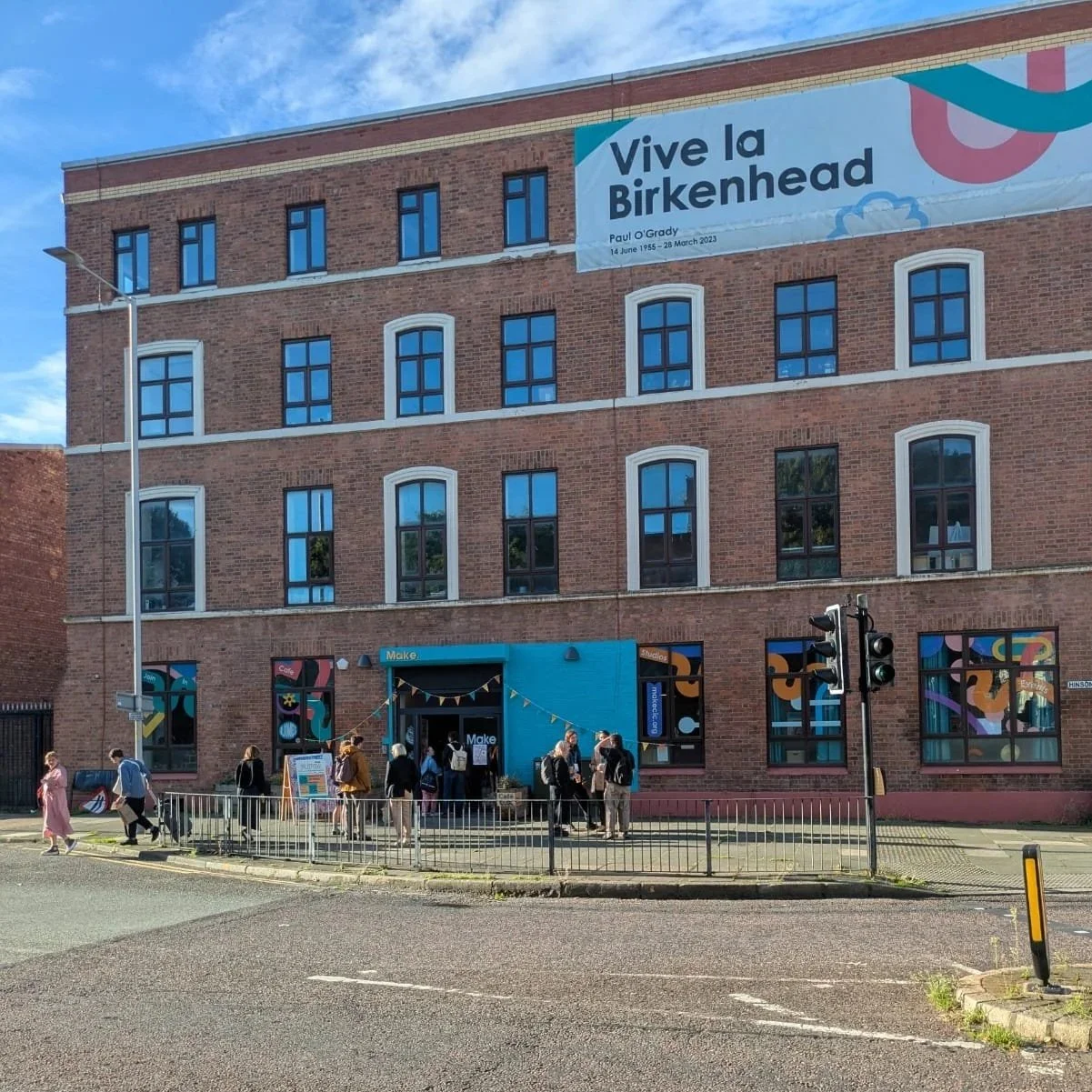
While many of these conversations would have felt like familiar territory for my more experienced colleagues, for me, they were a reminder that architecture extends well beyond the four walls of the office. It has the capacity to build trust, strengthen relationships, celebrate cultural identity, and, ultimately, bring people together – whether that be under the roof of an industrial warehouse in Manchester, or a retrofitted community space (saved from becoming a carpark) in Birkenhead.
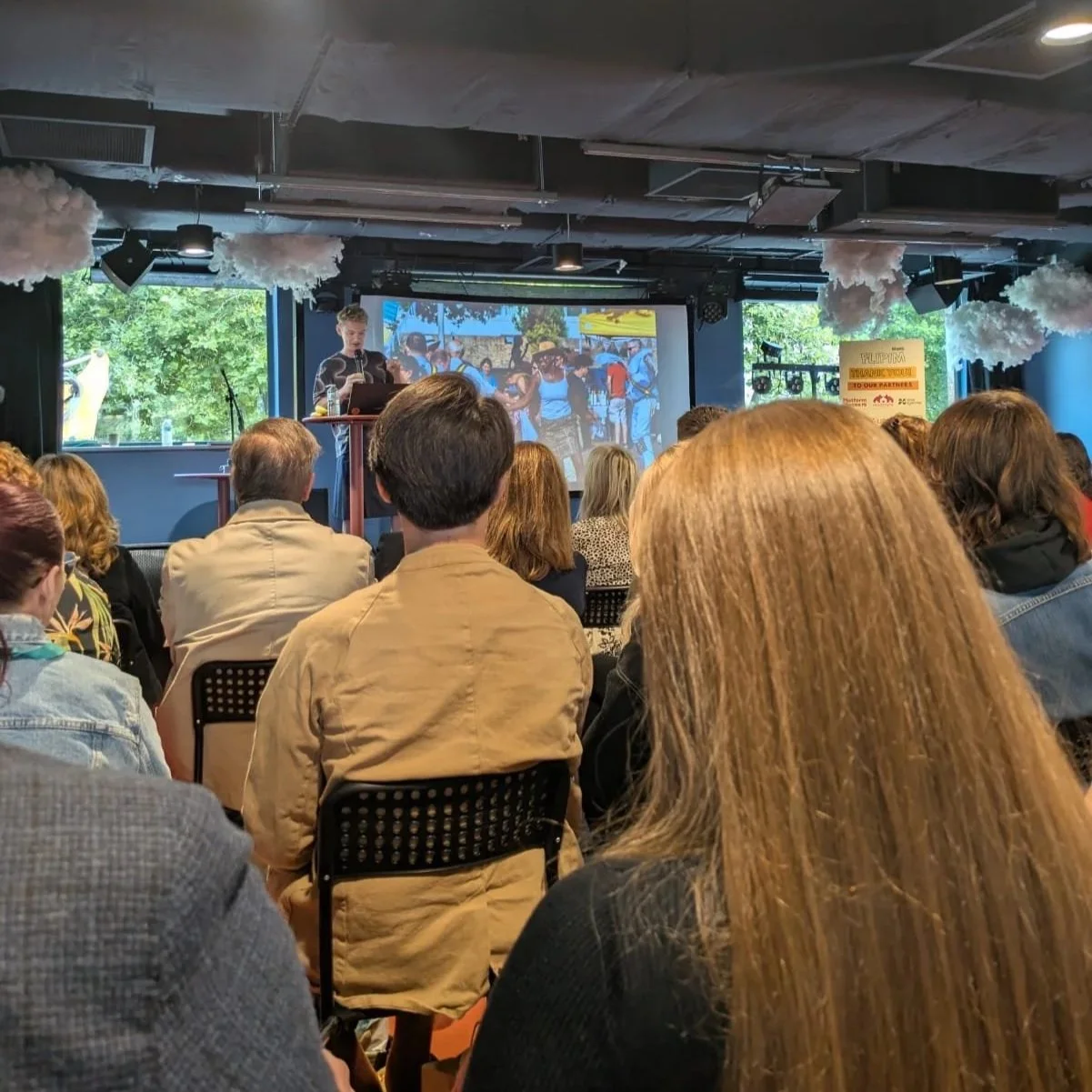
One talk that particularly resonated with me was by Phin Harper who reflected on the not-so-subtle difference between safety and security in our urban environment. He challenged the assumption that higher fences, more surveillance and greater individual privacy automatically create safer places; instead arguing that where we truly would feel safer, is in spaces which encourage human connection and communal living, fostering relationships within our immediate neighbourhood as a catalyst for reduced social disruption and a general improvement in quality of life.
Another critical takeaway from this discussion was his take on the use of material and architects’ favouring of robustness and neglect, over care of our infrastructure. This part of the talk resonated particularly strongly with me and the work we do at PiP. While much of my day-to-day practice involves considering the durability and performance of building envelopes, we also place great value on natural materials and design choices that prioritise social and ecological responsibility.
The biggest lesson that I took away from the day, however, was the unequivocable importance of making our industry more accessible. Whether discussing the Passivhaus design process for one dwelling or the regeneration of an entire neighbourhood, there is enormous value in ensuring that the people at the heart of our schemes, those we are designing FOR, understand not only what we are proposing – but why. Meaningful engagement with our end-users and the people directly impacted by design decisions is crucial - just as much as it is to achieve a compliant U-Value, or a low-carbon envelope!
A month into my new job, I’m still asking endless questions, still celebrating the small victories… But FLIPIM 2026 reassured me that I am in the right profession and I am even more grateful to be part of a Practice that shares the belief that good design begins with people.
If community-led design really is the future as it was posed at the conference, I am excited to be part of it.